Ancient Grain Varieties: Why Heritage Seeds Outperform Modern Hybrids
 E. Whitfield
Most farmers today plant wheat varieties developed within the last 50 years. These modern hybrids promise high yields and uniform growth, but they've traded away something precious: the genetic diversity that sustained civilizations for millennia.
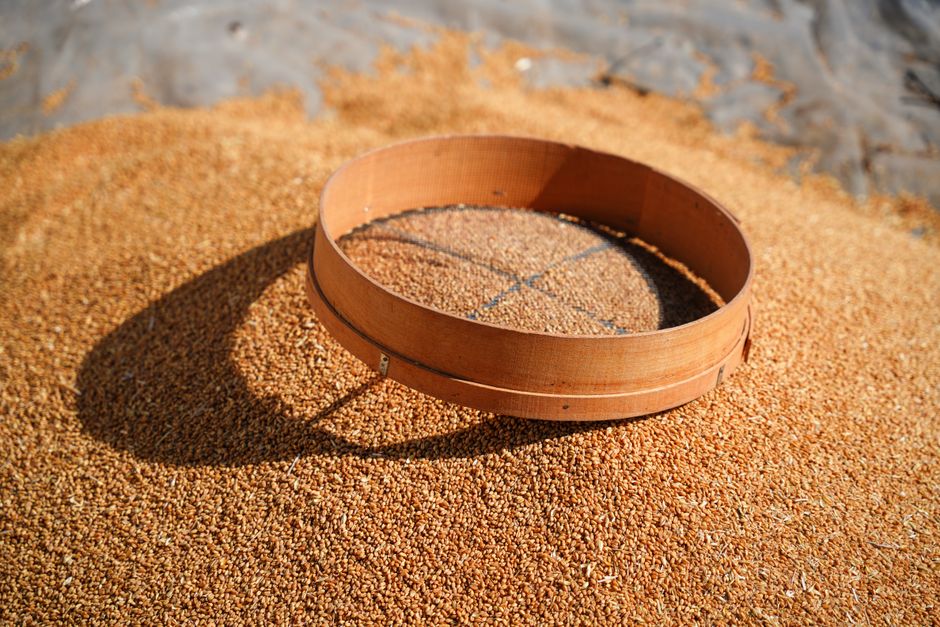
Heritage grains tell a different story entirely.
When you grow Emmer wheat, a grain that fed the Roman legions, you're working with genetics shaped by thousands of seasons. This ancient variety developed deep root systems that can access nutrients 6-8 feet down, compared to modern wheat's shallow 2-3 foot reach. The difference isn't just academic; it transforms your soil biology.
graph TD
    A[Heritage Grain Roots] --> B[Deep Soil Penetration 6-8 ft]
    B --> C[Accesses Deep Minerals]
    B --> D[Creates Soil Channels]
    C --> E[Higher Nutrient Density]
    D --> F[Improved Water Infiltration]
    G[Modern Hybrid Roots] --> H[Shallow Growth 2-3 ft]
    H --> I[Limited Nutrient Access]
    H --> J[Compacted Soil Issues]
The Nutrient Density Gap
Einkorn wheat contains 30% more protein than modern varieties. Its gluten structure differs so dramatically that many people with wheat sensitivities can digest it without issues. Why? Because Einkorn retained its original 14 chromosomes while modern wheat was bred up to 42 chromosomes, a genetic manipulation that prioritized yield over digestibility.
Spelt offers another compelling case study. This ancient grain produces smaller yields per acre but delivers zinc levels nearly double those of conventional wheat. For families dealing with zinc deficiency, increasingly common in children, this difference matters more than bushels per acre.
Disease Resistance Through Diversity
Modern agriculture's reliance on genetic uniformity creates vulnerability. When disease strikes, entire fields of identical plants succumb together. Heritage varieties evolved natural resistance over centuries of exposure.
Turkish Black Barley survived in harsh Anatolian conditions precisely because it developed robust disease resistance. Farmers who grow it today report significantly lower fungal issues compared to commercial barley varieties. The trade-off? Harvesting takes more time since the grain doesn't ripen uniformly.
But uniform ripening serves industrial agriculture, not nutrition or soil health.
Soil Biology Transformation
Heritage grains support different mycorrhizal relationships than modern varieties. These fungal partnerships, evolved over millennia, help plants access phosphorus and trace minerals that conventional soil tests often miss.
Red Fife wheat, nearly extinct until Canadian farmers rescued it in the 1980s, forms particularly strong mycorrhizal networks. Farmers report improved soil aggregation and water retention in fields where Red Fife grows. The wheat's longer growing season allows these fungal relationships to mature fully.
Growing Heritage Grains Successfully
Start small with one heritage variety that suits your climate zone. Emmer and Einkorn thrive in Mediterranean conditions, while Red Fife handles northern climates well.
Expect different growth patterns. Heritage grains often grow taller and lodge more easily than modern varieties bred for machine harvesting. Plan for hand harvesting or modified equipment settings.
Seed saving becomes crucial, and profitable. Heritage grain seeds cost 3-5 times more than commercial varieties, but you can save your own seed indefinitely. Modern hybrids lose vigor in subsequent generations, forcing annual repurchases.
The Market Reality
Restaurants and bakeries increasingly seek heritage grains for their unique flavors and customer appeal. Einkorn pasta commands premium prices. Spelt flour sells for double the price of conventional wheat flour.
Direct-to-consumer sales work particularly well. Customers understand they're buying superior nutrition and supporting biodiversity preservation. This narrative resonates more powerfully than organic certification alone.
Heritage grains represent farming as it existed before industrial agriculture prioritized efficiency over everything else. When you plant these varieties, you're not just growing food, you're stewarding genetic resources that connect us to our agricultural ancestry while building more resilient farming systems for the future.
Get Authentic Farming in your inbox
New posts delivered directly. No spam.
No spam. Unsubscribe anytime.