Lacto-Fermented Plant Extracts: The Probiotic Foliar Spray Serious Growers Swear By
 E. Whitfield
Most farmers think of fermentation as something that happens in a crock on the kitchen counter. But pull that logic out into the field, apply it to wild-harvested plants, weeds, and herbs, and you get one of the most potent biological foliar sprays available to any grower. No lab required. No expensive inputs. Just plants, water, and the right bacteria.
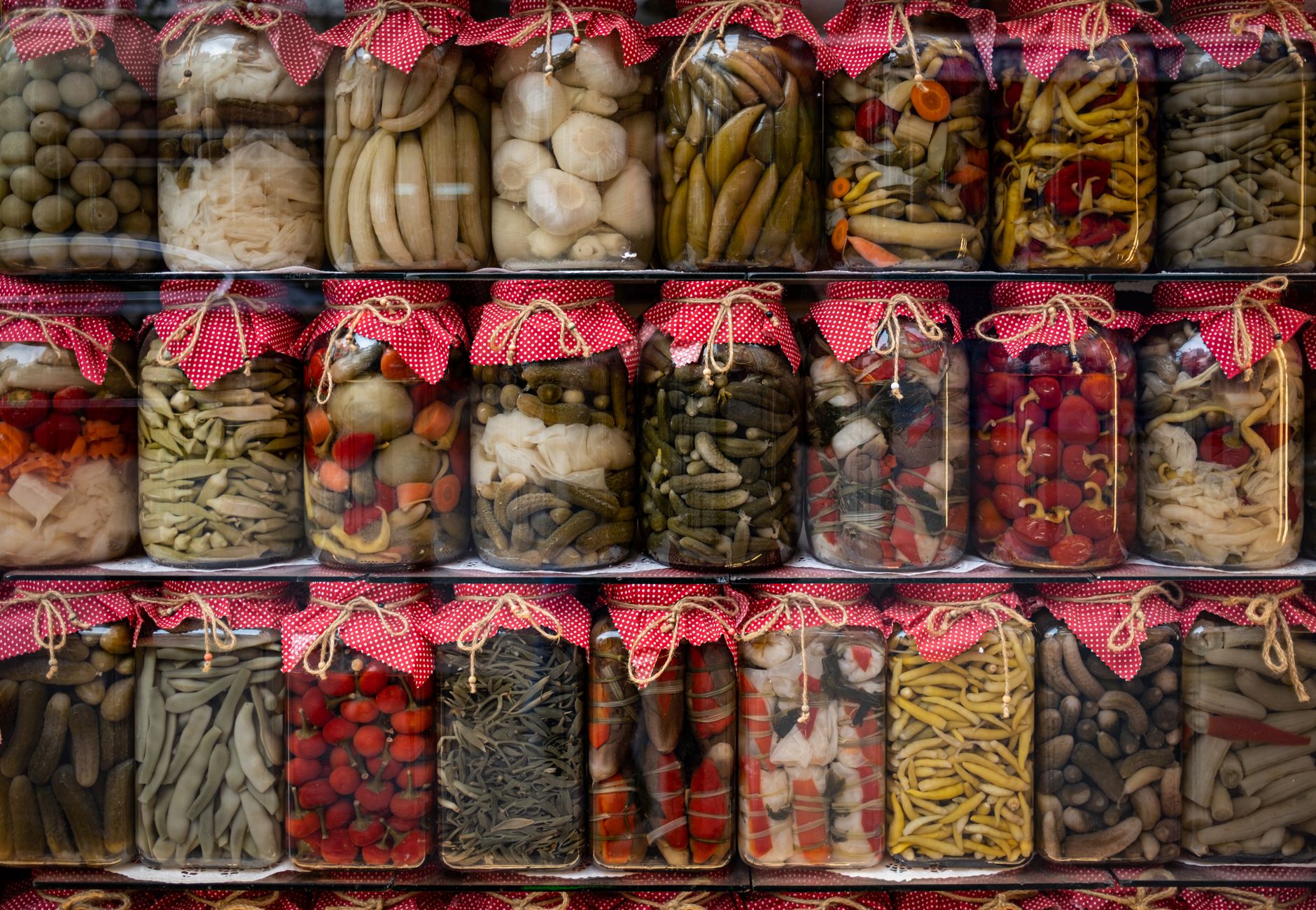 Photo by mehmet uzut on Pexels.
Lacto-fermented plant extracts, often called LFPE, are exactly what they sound like: plant material fermented by Lactobacillus bacteria until it becomes a dense, living liquid concentrate. The finished product is teeming with organic acids, enzymes, bioavailable minerals, and colonized microbes, all small enough to pass through leaf stomata and be absorbed directly by the plant.
Why Foliar? Why Not Just Feed the Soil?
Soil feeding is foundational. Nothing replaces it. But plants under stress, heat, drought, pest pressure, transplant shock, often can't uptake soil nutrients fast enough through their roots. Foliar delivery bypasses that bottleneck entirely. Studies on foliar amino acid applications consistently show faster plant response times than equivalent soil drenches, sometimes within 24 to 48 hours.
LFPE takes that logic further. You're not just delivering nutrients; you're inoculating the leaf surface itself. A healthy phyllosphere, the microbial community living on leaf surfaces, actively competes with pathogens for space and resources. Most growers never think about this. They feed the soil, they mulch, they do everything right below ground, and then leave the above-ground biology completely unmanaged.
That's a gap worth closing.
What Plants to Use
Here's where it gets interesting. The plant material you ferment carries its own biochemical signature into the extract. Some combinations farmers and natural growers have found particularly valuable:
- Comfrey, extraordinarily high in potassium and allantoin, which promotes cell division and wound repair in plants
- Stinging nettle, rich in iron, nitrogen compounds, and silica; older European growers have used nettle liquid for centuries
- Horsetail, one of the highest plant sources of silica, which toughens cell walls and increases resistance to fungal pressure
- Yarrow, contains azulene and volatile compounds that appear to stimulate enzymatic activity in soil and plant tissue
- Chickweed or purslane, dismissed as weeds, but both carry concentrated mineral profiles worth capturing
You don't need all of these. A single-plant LFPE from comfrey alone is worth making. A blend of three or four? Even better.
The Basic Process
This isn't complicated, but precision in the early steps matters.
graph TD
    A[Harvest fresh plant material] --> B(Chop and pack into jar, no metal)
    B --> C{Add non-chlorinated water + 1-2% sea salt}
    C --> D[Weight material below brine]
    D --> E(Ferment 5-14 days at room temp)
    E --> F{Taste and smell check, sour, not putrid}
    F --> G[Strain and store liquid in cool, dark place]
    G --> H((Dilute 1:500 to 1:1000 for foliar spray))
A few things to get right: use non-chlorinated water, because chlorine kills the Lactobacillus you're trying to cultivate. Pack the plant material tightly and keep it submerged, aerobic rot is the enemy here. The ferment is done when it smells sharply sour, slightly tangy, maybe faintly alcoholic. Not rotten. Not sweet. If you've ever made sauerkraut and recognized that clean, vinegary bite, you know what you're looking for.
Dilution matters enormously for foliar use. The concentrate is acidic, pH can drop below 3.5, and applying it undiluted will burn leaves. Dilute to 1:500 or 1:1000 and spray early morning or evening when stomata are open and UV stress is low.
What to Expect
Results aren't always dramatic in week one. What most growers report over a season of consistent LFPE foliar applications: deeper green color in leaves, noticeably faster recovery after transplanting, reduced incidence of certain fungal diseases, particularly powdery mildew on squash and cucurbits, and improved fruit set. None of this is peer-reviewed at scale. But the evidence from thousands of small farmers practicing Korean Natural Farming, biodynamics, and related systems is consistent enough to take seriously.
Silica-rich extracts from horsetail ferments specifically have shown up repeatedly in European organic viticulture as a practical tool against Botrytis and downy mildew. The Swiss have been doing this for decades.
The Bigger Point
Every weed you pull from your beds is a potential input. Fermentation is the technology that unlocks it, concentrating the biology and chemistry already present in your landscape's plants and returning it to your crops in a form they can actually use. That's not folk magic. That's applied ecology.
Go beyond organic. Feed the whole plant.
Get Authentic Farming in your inbox
New posts delivered directly. No spam.
No spam. Unsubscribe anytime.