Fermented Compost Tea: The Living Soil Drench That Supercharges Microbial Life
 E. Whitfield
Most gardeners and small-scale farmers know compost is good. They add it to beds, work it into rows, maybe top-dress around established plants. That's fine. But what if you could take the biological intelligence packed inside a handful of finished compost and multiply it by a factor of millions, then pour it directly onto roots?
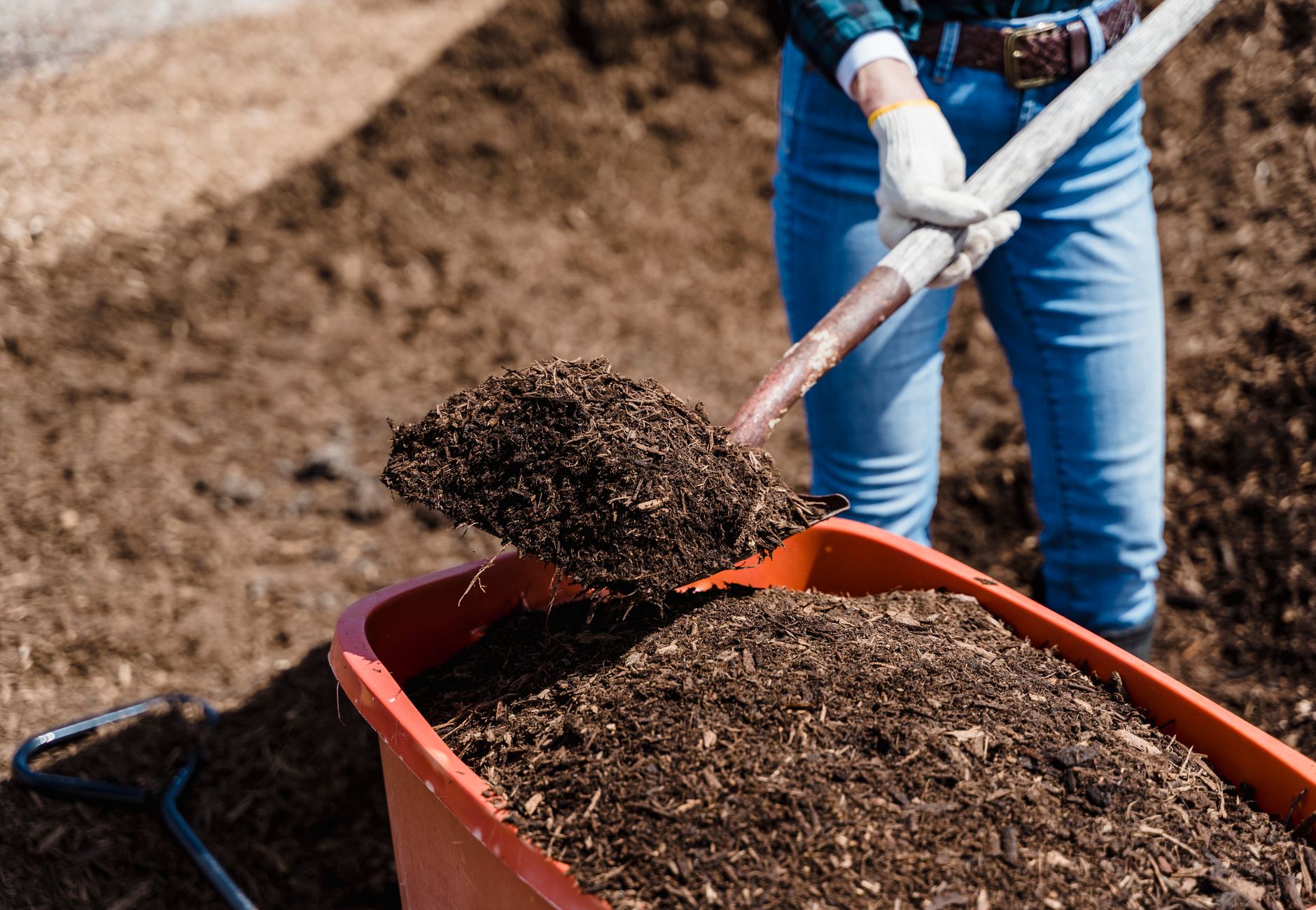 Photo by Greta Hoffman on Pexels.
That's what actively aerated compost tea (AACT) does. And once you understand what's actually happening in that bucket, you won't look at a bag of synthetic fertilizer the same way again.
What Compost Tea Actually Is
Forget the passive, steeped "manure tea" your grandparents made by soaking burlap sacks in barrels. Fermented compost tea is something different. You're not just extracting nutrients, you're brewing a living culture. Oxygen, food sources, and water combine with a small amount of high-quality compost to create conditions where bacteria, fungi, protozoa, and nematodes reproduce at extraordinary rates over 24 to 36 hours.
A single teaspoon of finished compost contains somewhere between 100 million and 1 billion bacteria. After a proper brewing cycle, that number can jump by several orders of magnitude. You're not feeding the soil. You're inoculating it.
The Brew Setup
You don't need expensive equipment. Here's what actually matters:
graph TD
    A[High-Quality Finished Compost] --> B(Mesh Bag or Loose in Bucket)
    B --> C[Dechlorinated Water]
    C --> D{Aeration Pump Running Continuously}
    D --> E[Add Biological Foods]
    E --> F[Brew 24-36 Hours]
    F --> G((Apply Immediately))
Water: Chlorine kills microbes. Let tap water sit uncovered for an hour, or use collected rainwater. Well water is usually fine.
Compost: Source matters enormously here. Poorly finished, hot-pile compost full of pathogens will produce a tea you don't want near food crops. Use compost that smells earthy and sweet, finished, stable, and biologically rich.
Aeration: This is non-negotiable. Without continuous oxygen, you get anaerobic fermentation, which favors the wrong organisms. A simple aquarium pump with airstone wands works for a 5-gallon bucket. Scale up with stronger pumps for larger volumes.
Biological foods: Bacteria need simple sugars, a tablespoon of unsulfured molasses does it. Fungi prefer complex carbons; adding a small amount of kelp meal or fish hydrolysate feeds the fungal community. The ratio of bacterial to fungal biomass in your finished tea should match the type of plant you're growing. Vegetables prefer a bacterial-dominant tea. Fruit trees and perennials want more fungi.
What's Actually Happening in the Bucket
During those 24 to 36 hours, you're watching succession in miniature. Bacteria colonize first, they're fast reproducers. As their populations spike, protozoa proliferate to eat them. That predation releases plant-available nitrogen at the cellular level, in forms roots can absorb almost immediately. Fungi thread through the liquid more slowly, but they're there, and they'll establish in soil much faster when introduced in liquid form than as dry inoculant.
When you drench that living solution into dry or biologically depleted soil, you're not hoping something happens eventually. You're delivering an active, hungry microbial workforce with a food source, and giving them a soil environment to colonize.
Application: Timing and Method
Brew time matters, but so does what you do after. Compost tea has a short shelf life, the oxygen runs out, microbes start dying, and you can shift toward anaerobic conditions within hours of turning off the pump. Apply within 30 minutes of finishing the brew.
Morning application is best. Soil temperatures are cooler, UV radiation is lower, and microbes have the whole day to establish before evening temperature swings. Drench the root zone rather than broadcasting broadly, that's where the population needs to be.
For foliar applications, use a finer sprayer and apply in early morning or evening. The leaf surface microbiome is real and consequential; coating it with beneficial bacteria and fungi creates competitive exclusion against pathogens. Some growers report visible reduction in powdery mildew and early blight after consistent foliar tea application. That's not magic, that's biology doing what biology does.
How Often to Apply
Every two to three weeks during the active growing season is a solid starting rhythm. After soil disturbance, transplanting, tilling, heavy rain, apply a dose to help the microbial community reestablish. Think of it less like a treatment and more like a habit, the same way you'd think about feeding a sourdough starter.
The long game here is building a soil that doesn't need you as much. Dense, diverse microbial populations outcompete pathogens, cycle nutrients continuously, and support root development in ways no synthetic amendment can replicate. Compost tea won't get there in a season. But it accelerates the trajectory in a direction no bag of 10-10-10 ever could.
Go beyond organic. Build something alive.
Get Authentic Farming in your inbox
New posts delivered directly. No spam.
No spam. Unsubscribe anytime.