The Mycorrhizal Network: How Underground Fungal Highways Transform Soil and Plant Health
 E. Whitfield
Authentic Farming is reader-supported. Some links below are affiliate links, and we may earn a commission on purchases, at no extra cost to you.
The Mycorrhizal Network: How Underground Fungal Highways Transform Soil and Plant Health
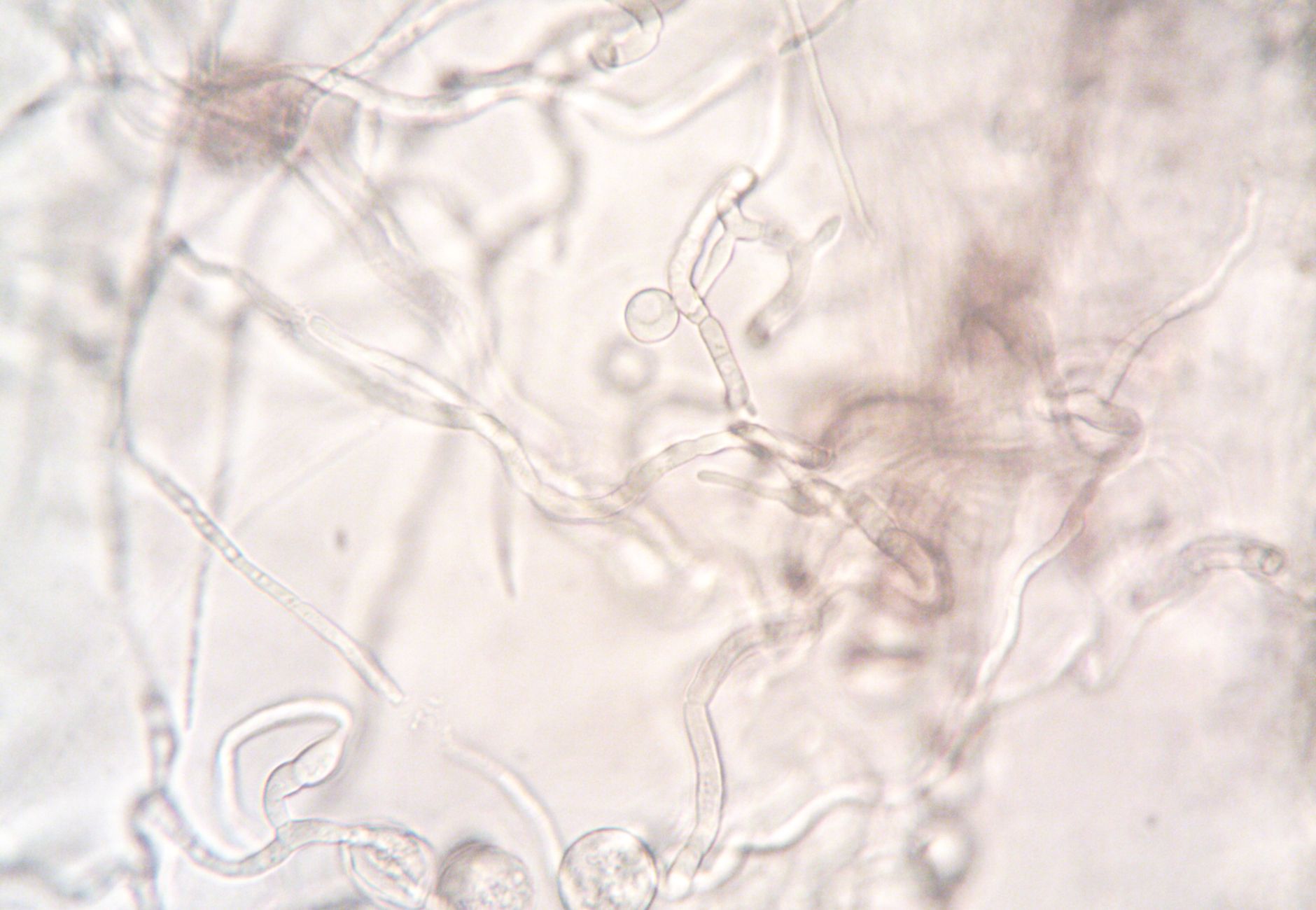 Photo by
 Beneath every thriving organic farm lies an invisible internet. Fungal threads thinner than spider silk weave between plant roots, creating communication networks that would make any tech company envious. These mycorrhizal fungi don't just connect plants, they revolutionize how crops access nutrients, fight disease, and build resilience.
Most farmers never see this underground economy in action. Yet it's happening right now in healthy soil: fungi trading phosphorus for carbon, shuttling nitrogen between plants, and creating living pipelines that can stretch for miles.
What Mycorrhizal Fungi Actually Do
Think of mycorrhizal fungi as nature's ultimate middlemen, but in the best possible way.
These organisms form symbiotic relationships with plant roots, creating structures called mycorrhizae (literally "fungus-root"). The fungi extend far beyond where roots can reach, sometimes 1,000 times farther, acting as external digestive systems for plants. In exchange for sugars that plants produce through photosynthesis, fungi deliver water and nutrients that would otherwise remain locked in soil.
Two main types dominate agricultural systems:
Arbuscular mycorrhizal fungi (AMF) penetrate root cell walls and form tree-like structures inside plant tissue. Most vegetables, grains, and fruit trees depend on these partnerships. They're especially good at mining phosphorus from soil, a nutrient that barely moves and often gets tied up in chemical forms plants can't use.
Ectomycorrhizal fungi wrap around root tips like tiny sheaths. They're less common in annual crops but essential for tree crops like nuts and some fruits.
graph LR
    A[Plant Roots] --> B{Mycorrhizal Junction}
    B --> C[Fungal Hyphae Network]
    C --> D[Phosphorus Mining]
    C --> E[Water Collection]
    C --> F[Disease Protection]
    B --> G[Carbon Exchange]
Why Industrial Agriculture Destroys These Networks
Conventional farming treats mycorrhizal networks like collateral damage.
Tillage physically shreds the delicate hyphal threads that take months to establish. A single pass with a moldboard plow can destroy 80% of fungal biomass in the top six inches of soil. Synthetic fertilizers, especially phosphorus, signal plants to cut off their fungal partnerships, why trade carbon for nutrients when fertilizer provides them for free?
Fungicides pose obvious threats, but even some organic-approved treatments can harm beneficial fungi. The result: plants become dependent on external inputs rather than biological partnerships.
Crop rotation matters too, but not how most people think. Some plants are mycorrhizal superstars, corn, wheat, and tomatoes form robust fungal partnerships. Others, like brassicas (cabbage, broccoli, radishes), are essentially mycorrhizal non-hosts. They can't form these relationships and may even suppress fungal populations.
Building Fungal Highways on Your Farm
Restoring mycorrhizal networks requires patience and strategic thinking.
Start with minimal soil disturbance. No-till or reduced-till practices preserve existing fungal networks. When you must cultivate, use shallow techniques that minimize hyphal damage. Zone or strip tillage can work for establishing certain crops while preserving soil biology between rows.
Reduce phosphorus inputs, even organic ones. Excess phosphorus tells plants to abandon their fungal partners. Soil test regularly and apply phosphorus only when truly deficient. Many organic farms over-apply compost and rock phosphate, inadvertently suppressing mycorrhizal colonization.
Choose mycorrhizal-friendly cover crops. Grasses like winter rye and oats excel at feeding fungal networks during fallow periods. Legumes provide moderate support. Avoid long rotations heavy in brassicas, use them strategically but don't let them dominate.
How do you know if your efforts are working? Healthy mycorrhizal soils often show improved water infiltration, better drought tolerance in crops, and reduced fertilizer needs over time. Some soil labs now offer mycorrhizal assessment tests, though they're not yet standardized across the industry.
The Carbon Connection
Mycorrhizal networks excel at something no fertilizer can replicate: building soil carbon.
Fungi produce glomalin, a sticky protein that helps form stable soil aggregates. These aggregates create spaces for air and water movement while protecting carbon from decomposition. Soils with active mycorrhizal networks can store significantly more carbon than those without, a benefit that compounds over years.
This carbon storage isn't just environmental virtue signaling. It directly improves soil fertility, water-holding capacity, and overall farm resilience. Farms with well-established mycorrhizal networks often see reduced input costs and more stable yields across variable weather conditions.
Working with mycorrhizal fungi means embracing farming as partnership rather than domination. These networks took millions of years to evolve, and they're still teaching us how soil really works.
Get Authentic Farming in your inbox
New posts delivered directly. No spam.
No spam. Unsubscribe anytime.