Spring Eating: What Your Body Actually Wants
 E. Whitfield
There's a quiet revolution happening at farmers markets every spring. After months of root vegetables and preserved foods, the first tender greens appear, and something in your body responds.
This isn't romantic nostalgia. There's real biology behind seasonal eating, and spring is where it's most obvious.
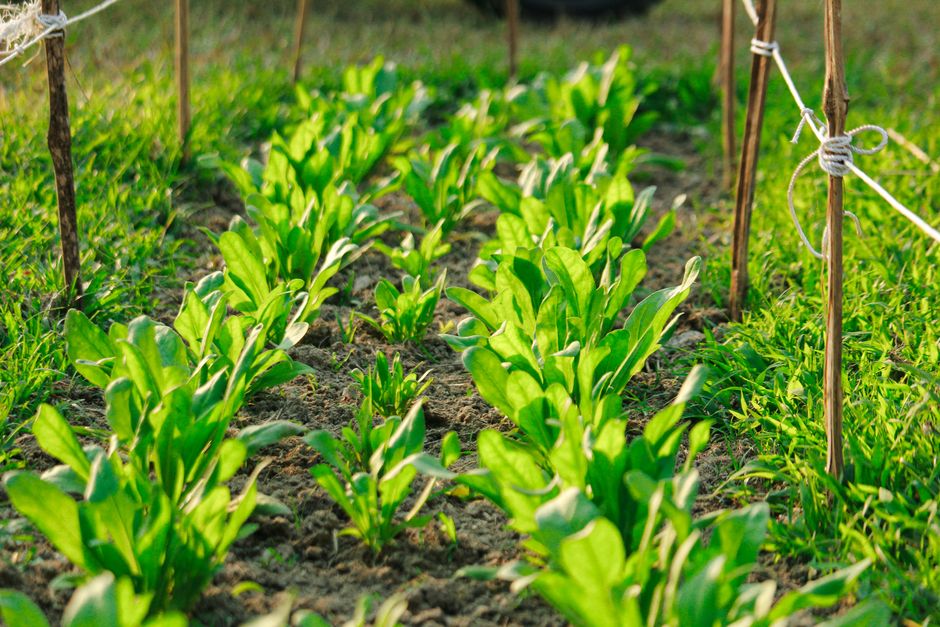
The Spring Reset
Winter eating is dense: squash, potatoes, dried beans, fermented vegetables. Your body shifts toward heavier foods when it's cold and dark. That's appropriate, you need the calories and the stored nutrients.
Spring flips the script. The first foods to emerge are exactly what your body needs after months of heavy eating:
Bitter greens, dandelion, arugula, chicory, sorrel. These bitter compounds stimulate liver function and bile production, essentially helping your body clean house after winter's heavier diet.
Tender lettuces and shoots, high in water content, mineral-rich, easy to digest. They rehydrate tissues and provide a burst of fresh micronutrients.
Alliums, green garlic, ramps, spring onions. Antimicrobial and rich in sulfur compounds that support detoxification pathways.
Why "Fresh" From 3,000 Miles Away Isn't the Same
A strawberry picked in California, packed in a plastic clamshell, and trucked to your grocery store in March is technically a strawberry. But it was picked unripe (to survive shipping), grown in depleted soil (because the same fields produce year-round), and bred for shelf stability over nutrition.
A strawberry from your local farmer, picked that morning in June when it's actually in season? Different food entirely. Higher in vitamin C, more complex flavor compounds, picked at peak ripeness.
The nutrition data on "strawberries" in any database is an average. It can't capture this variance. But your body can tell the difference.
Starting Simple
You don't need to overhaul your diet overnight. Start by adding one seasonal, local item per week during spring:
- March/April: Look for overwintered spinach, early lettuces, green garlic
- April/May: Asparagus, radishes, pea shoots, ramps (where available)
- May/June: Strawberries, sugar snap peas, young beets, fresh herbs
The goal isn't perfection, it's reconnection. When you eat what's growing around you, right now, you're participating in the same biological rhythm that sustained humans for thousands of generations.
That's what authentic eating looks like: not a diet, but a relationship with your local food system.
Get Authentic Farming in your inbox
New posts delivered directly. No spam.
No spam. Unsubscribe anytime.