Compost Windrows vs. Static Piles: Which Method Actually Builds Better Soil?
 E. Whitfield
Most people treat composting as a single practice. Pile up organic matter, wait, apply. But the method you use shapes the biology inside that pile, and the biology inside that pile shapes what eventually feeds your soil. Two approaches dominate serious farm-scale composting: windrow turning and static pile (or passively aerated) systems. Each produces a distinct end product, suits different farm sizes, and demands different inputs of time and equipment.
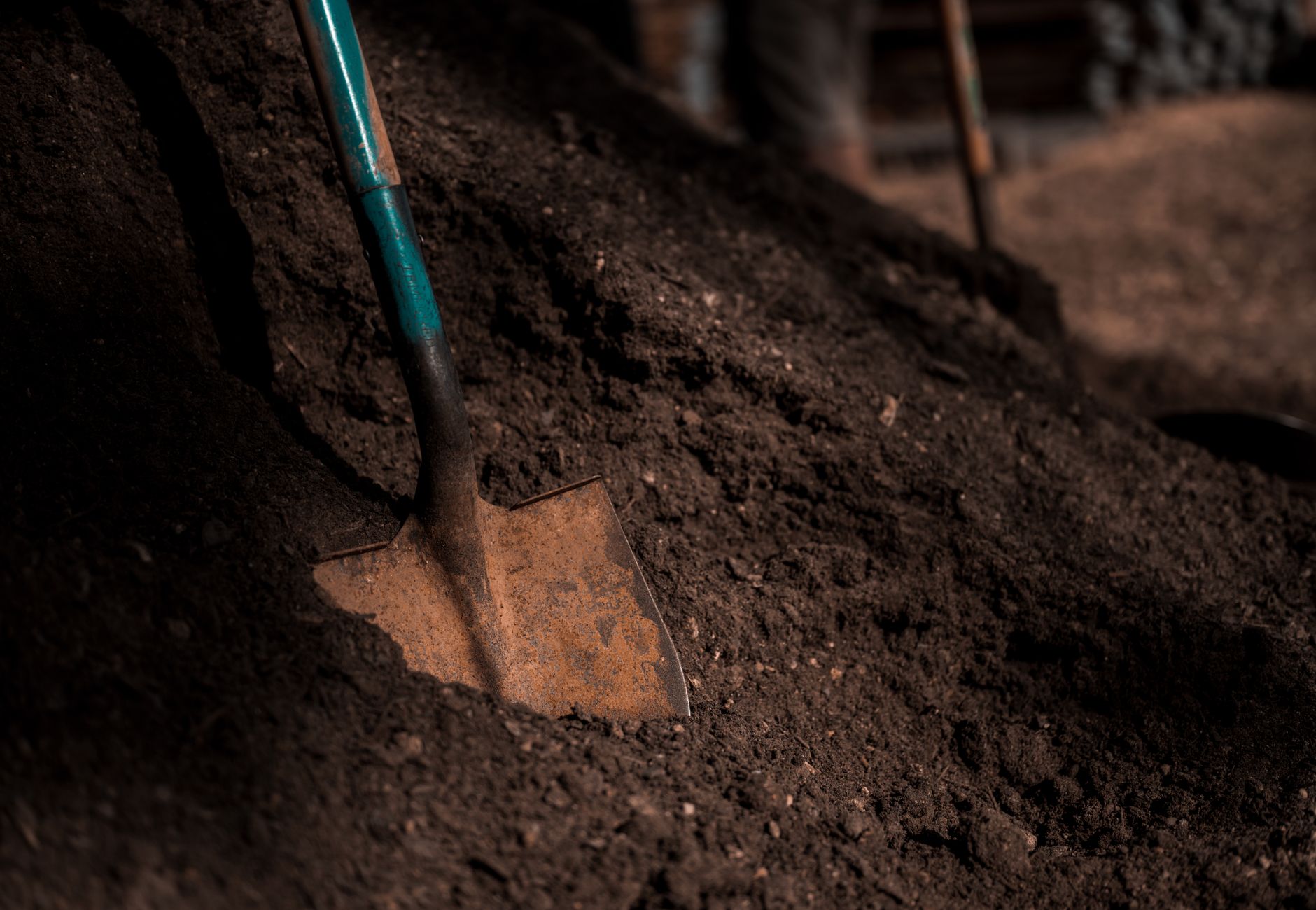 Photo by Alfo Medeiros on Pexels.
Understanding which one fits your operation could mean the difference between mediocre brown crumble and a finished compost loaded with diverse microbial communities.
What Actually Happens Inside a Compost Pile
Compost is a biological process before it is a chemical one. Microbes break down carbon and nitrogen-rich materials, generating heat as they work. That heat drives off pathogens and weed seeds. When oxygen runs low, microbial activity slows, anaerobic pockets form, and you get the ammonia smell that signals nitrogen loss.
Both windrow and static pile methods manage this biology. They just do it differently.
graph TD
    A[Raw Organic Matter] --> B{Composting Method}
    B --> C[Windrow: Active Turning]
    B --> D[Static Pile: Passive Aeration]
    C --> E[High Heat, Faster Cycle]
    D --> F[Lower Heat, Slower Cycle]
    E --> G[Finished Compost: 60-90 days]
    F --> H[Finished Compost: 90-180 days]
Windrow Composting: Speed Through Disturbance
Windrows are long, low mounds of mixed material, typically 4 to 6 feet tall and 8 to 14 feet wide. You turn them regularly, anywhere from every three days in a hot, fast cycle to once every one or two weeks in a slower managed system. Each turn re-introduces oxygen, redistributes moisture, and exposes fresh material to the hot core.
Temperatures inside active windrows routinely hit 130 to 160°F. That thermal kill is reliable. If you're working with manure-heavy inputs or a lot of kitchen waste, windrows give you a defensible pathogen reduction that a cold pile simply cannot match.
The downside is real. Turning requires either significant labor or a tractor with a windrow turner attachment. Frequent disturbance also disrupts fungal networks. Fungi build hyphal threads through a pile over days and weeks; a turn shreds them. The result tends to be a bacterially dominated compost. Excellent for annual vegetable production. Less ideal if you're trying to rebuild a depleted pasture or restore soil around perennial trees, where fungal populations matter more.
Static Pile Composting: Slow, Fungal, Potent
A static pile, built correctly, doesn't get turned at all or gets turned only once or twice across its full cycle. Aeration comes from the natural chimney effect: heat rising through the pile draws cool air in at the base. Some growers insert perforated PVC pipes to encourage airflow without disturbing the pile's structure.
What you lose in speed, you gain in fungal diversity. Given 90 to 180 days of undisturbed decomposition, white fungal threads (actinomycetes and true fungi) colonize the pile thoroughly. This type of compost tends to suppress soil-borne pathogens through fungal competition, holds moisture more effectively, and introduces a broader spectrum of organisms into your soil food web.
The catch: you need a better carbon-to-nitrogen balance going in. A poorly built static pile goes anaerobic and stinks. Getting the C:N ratio to roughly 25:1 to 30:1 at the start is non-negotiable. Shred your browns, mix thoroughly, and build it right the first time because corrections mid-cycle are disruptive.
Matching Method to Your Farm
Here's how to think about it practically:
High-volume, manure-heavy operation? Windrows. You need the thermal kill, the speed, and the throughput. A dairy or poultry operation generating tons of waste weekly can't afford a six-month static cycle.
Small to mid-scale market garden with diverse inputs? Static piles, properly built, will produce a richer finished product with less labor. Build three or four piles on a rotating schedule and you'll never be short on material.
Rebuilding degraded soil or planting into perennial systems? Prioritize static pile or slow-turned windrows. Feed the fungi. Give them time.
Some growers combine both: windrow the fresh manure-heavy material for the first 30 to 40 days to get past the hot phase and knock out pathogens, then consolidate into a static pile to finish. The biology develops more richly in that second phase.
One Number Worth Tracking
Finished compost should have a carbon-to-nitrogen ratio of roughly 10:1 to 15:1. Test it before you apply at scale. Immature compost applied too early can temporarily tie up nitrogen in your soil as microbes continue their work, which is the opposite of what a hungry spring crop needs.
Both methods get you to finished compost. The question is what kind of biological community you want to deliver with it. Choose accordingly.
Get Authentic Farming in your inbox
New posts delivered directly. No spam.
No spam. Unsubscribe anytime.