Vermicomposting at Scale: How to Turn Massive Amounts of Organic Waste Into Farm-Ready Fertilizer
 E. Whitfield
Worm castings get talked about in garden circles all the time. What gets talked about far less is how to produce them in serious quantities, consistently, without losing control of the system.
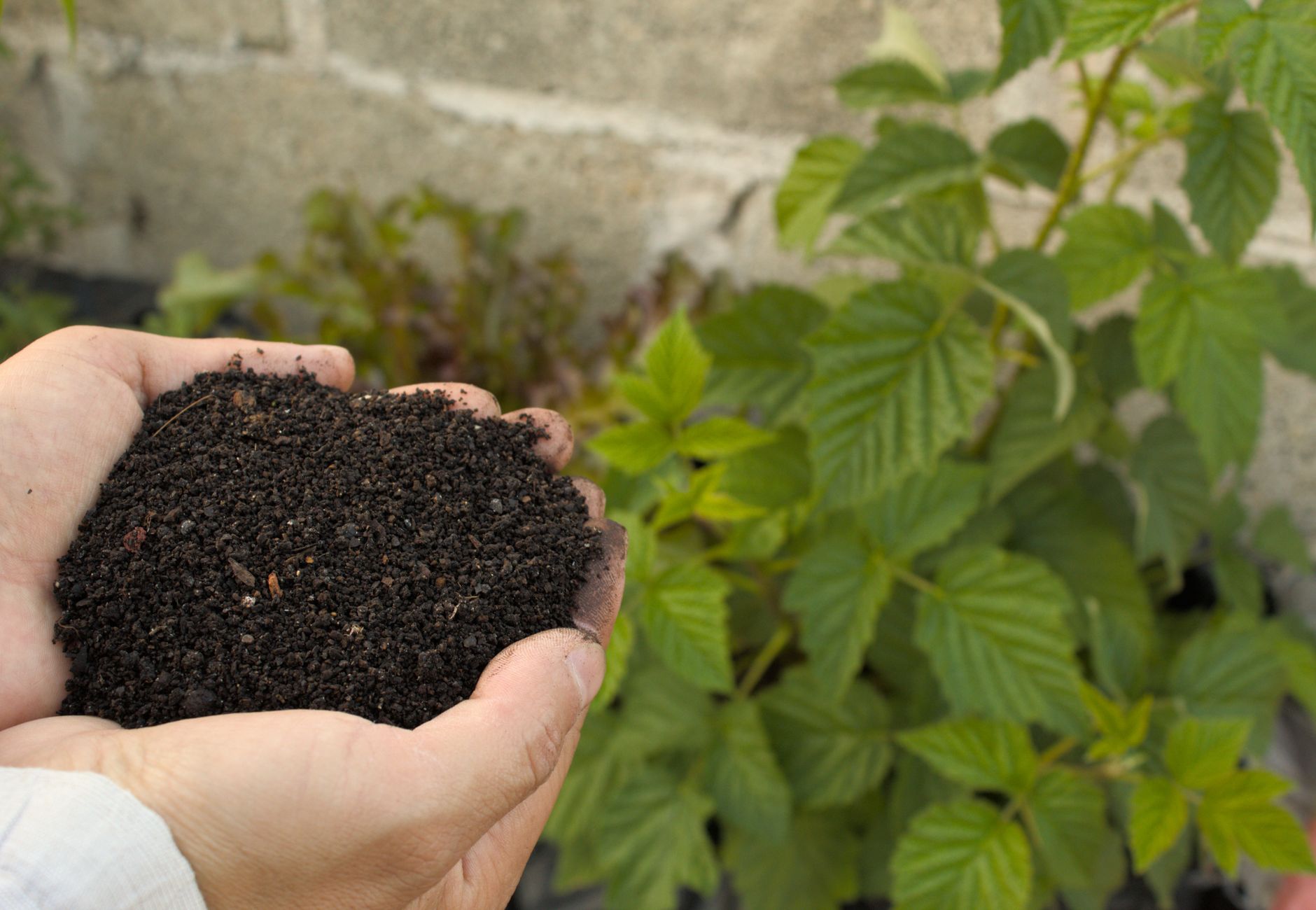 Photo by Juan J. Morales-Trejo on Pexels.
Scaling vermicomposting is where most growers hit a wall. A few plastic bins under the sink work fine. But push it to cubic yards, and suddenly you're managing moisture levels, feedstock ratios, temperature spikes, and a population of worms that need constant attention to stay productive. Get it right, and you have one of the most biologically active fertilizers on the planet, produced from material you'd otherwise haul away.
Why Scale Changes Everything
Small-bin vermicomposting is forgiving. Oxygen reaches the worms easily, excess moisture drains, and a bad batch stays contained. At scale, those same variables become serious management problems.
Oxygen depletion is the first thing that kills a large worm bed. Dense, wet feedstock compacts under its own weight. Anaerobic zones develop. Worms flee to the surface or die in place. You're left with a putrid, ammonia-rich mass that smells like a catastrophic failure, because it is one.
The fix isn't complicated, but it requires commitment. Beds need to stay no deeper than 18 to 24 inches. Feedstock must be pre-composted or at least partially broken down before worms touch it. Fresh manure, for example, generates heat that can exceed 100°F and will drive worms out of the bed entirely. Let it age two to three weeks first.
Feedstock Selection and Preparation
Worms process soft, microbially active material fastest. Pre-composted vegetable scraps, aged horse or cow manure, spent mushroom substrate, and soaked cardboard all work well. What slows the system: citrus peels in large quantities, oily food waste, anything with high salt content, and meat or dairy.
A useful approach for farm-scale operations is a two-stage system:
graph TD
    A[Raw Organic Waste] --> B(Hot Compost Pile)
    B --> C{Aged 2-3 Weeks?}
    C -->|Yes| D[Vermicompost Bed]
    C -->|No| B
    D --> E(Finished Castings)
    E --> F[Field Application]
Hot composting first knocks out pathogens, breaks down lignin, and reduces volume. What enters the worm bed is already halfway there. The worms handle the fine work: grinding particles smaller, coating everything with gut microbes, and producing the mucus-rich castings that make their fertilizer so effective.
Managing a Large Windrow System
For farms producing significant organic waste, continuous-flow windrows are the practical format. These are long, low beds, typically 4 feet wide and 18 inches deep, fed from one end and harvested from the other as castings migrate downward and forward.
Aim for moisture levels between 70 and 80 percent. Squeeze a handful of material and you want a few drops of water, not a stream. Too dry, and microbial activity stalls. Too wet, and you're back to anaerobic zones.
Population density matters too. Around 1 pound of worms (roughly 1,000 red wigglers) per square foot of bed surface is a reliable starting ratio. They'll reproduce to match the available food supply, so the real lever is feedstock input rate. Feed too aggressively and you'll have more material than the population can process; feed too lightly and the worms start eating their own castings, reducing output quality.
Harvesting Without Losing Your Worm Population
Harvesting at scale requires separating worms from finished castings without destroying your breeding population. Two methods work well.
The light-drive method uses worms' natural photophobia. Spread finished material under bright light and wait. Worms burrow to the bottom within 20 to 30 minutes; skim castings from the top layer by layer until you're left with a dense worm mass at the base.
For continuous windrows, migration harvesting works even better. Stop feeding the output end for two weeks while continuing to feed the input end. Worms follow the food. Harvest castings from the depleted end, then resume normal feeding.
Application Rates That Actually Move the Needle
Vermicompost applied at 1 to 2 tons per acre consistently improves germination rates, suppresses root pathogens, and increases water retention in sandy soils. Research from Ohio State and UC Davis both found measurable yield improvements at these rates across multiple crop types.
Broadcasting and incorporating before planting works. Side-dressing established crops works. Brewing it into a compost tea to cover more ground with less material? Also effective, and the subject of its own conversation.
The point is this: worms are among the cheapest labor on your farm. They work continuously, require no fuel, and produce a product that synthetic fertilizers simply cannot replicate. Scaling them up takes discipline and attention to detail. It rewards both.
Get Authentic Farming in your inbox
New posts delivered directly. No spam.
No spam. Unsubscribe anytime.