Effective Microorganisms: The Fermented Microbial Inoculant That Rebuilds Soil Biology Fast
 E. Whitfield
Effective Microorganisms: The Fermented Microbial Inoculant That Rebuilds Soil Biology Fast
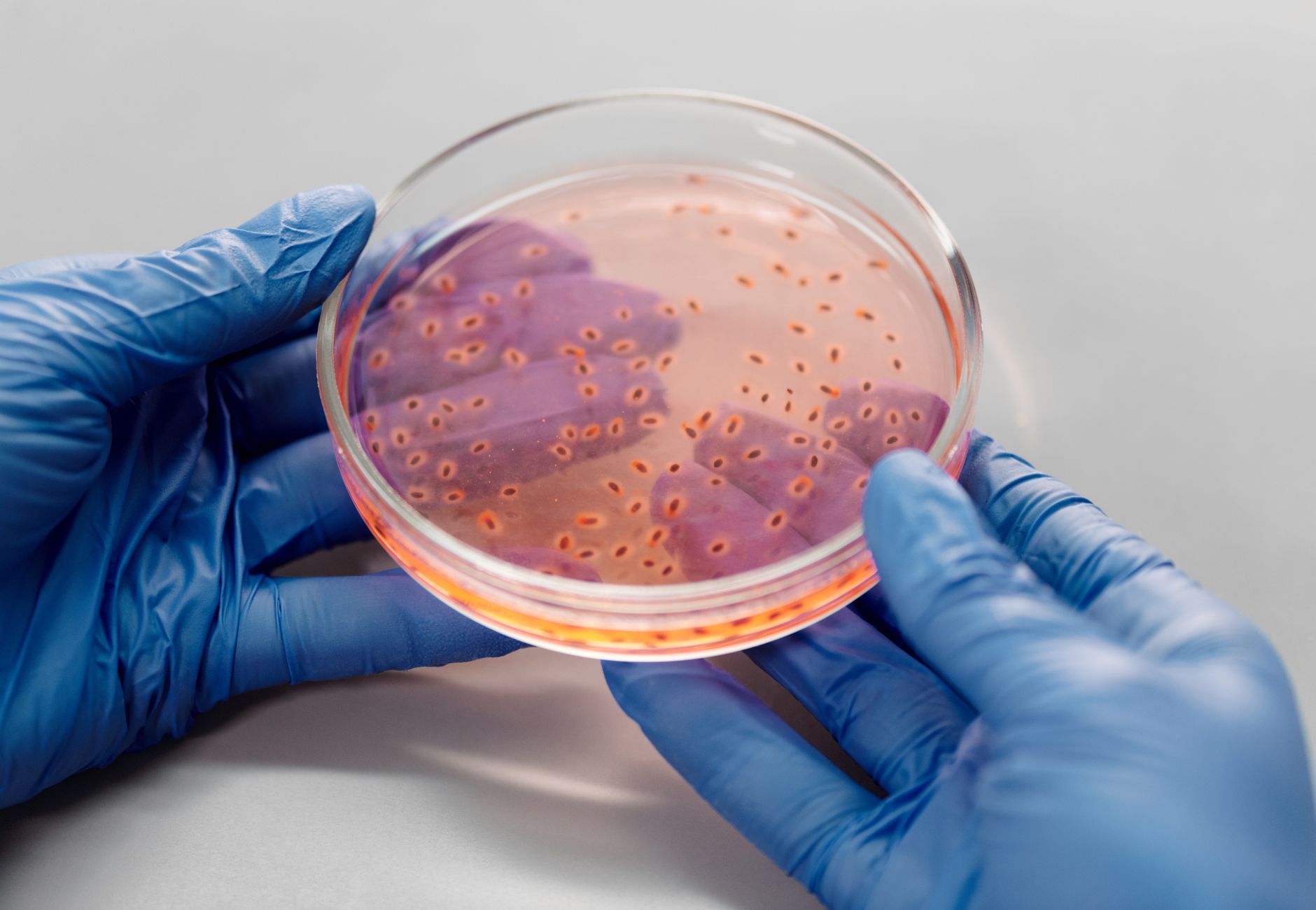 Photo by Edward Jenner on Pexels.
Most farmers who've heard of Effective Microorganisms (EM) fall into one of two camps: true believers who swear by it, and skeptics who wrote it off as fringe science decades ago. Both camps tend to oversimplify. EM deserves a clear-eyed look, because when you understand what it actually contains and how it functions in the soil, the results stop being mysterious.
Developed in the 1980s by Japanese agronomist Dr. Teruo Higa, EM is a cultured consortium of beneficial microorganisms. Three main groups define it: lactic acid bacteria, phototrophic (photosynthetic) bacteria, and yeasts. Each group brings something specific. The lactic acid bacteria produce antimicrobial compounds that suppress pathogens and accelerate organic matter breakdown. Phototrophic bacteria fix atmospheric nitrogen and synthesize useful metabolites from organic compounds in the soil. Yeasts produce enzymes and hormones that stimulate root growth and plant immune response.
Think of EM less like a fertilizer and more like a starter culture for your soil. You're seeding beneficial microbial populations with the goal of shifting the overall microbial community toward regenerative, rather than degenerative, activity.
What EM Actually Does in the Soil
Soil biology operates on a spectrum. On one end, you have a regenerative cycle: organic matter breaks down cleanly, nutrients become plant-available, pathogens stay suppressed. On the other end, you have a degenerative cycle: putrefaction dominates, disease pressure rises, nutrients lock up in unavailable forms.
EM pushes the soil community toward the regenerative side. The lactic acid bacteria lower local pH slightly, creating conditions hostile to many harmful organisms. Phototrophic bacteria work independently of organic matter inputs, fixing nitrogen directly from the air when light penetrates the soil surface or shallow mulch layers. Yeasts secrete growth factors that increase root surface area, which directly improves a plant's ability to access water and nutrients.
Here's the cycle in simple terms:
graph TD
    A[EM Applied to Soil] --> B(Lactic Acid Bacteria Activate)
    A --> C(Phototrophic Bacteria Activate)
    A --> D(Yeasts Activate)
    B --> E{Pathogen Suppression + Organic Breakdown}
    C --> E
    D --> F[Root Growth Stimulation]
    E --> G[Healthy Soil Biology Expands]
    F --> G
This isn't a one-time fix. EM works best when applied consistently over a growing season, giving the introduced populations time to establish and influence the resident microbial community.
How to Use It
EM concentrate (EM-1) is the shelf-stable mother culture. Before use, most growers activate it into what's called Activated EM or AEM, by fermenting the concentrate with molasses and water for five to seven days at warm temperatures. This multiplies the microbial populations and reduces input cost substantially.
A typical dilution for soil drench applications runs between 1:500 and 1:1000 (AEM to water). Foliar applications usually run lighter, around 1:1000 to 1:2000. Apply every one to two weeks during active growth periods for best results.
You can also combine EM with other inputs. Compost treated with EM during the pile-building process breaks down faster and produces a more biologically diverse finished product. Bokashi systems (which many readers here already use) are essentially EM fermentation applied to food waste. The same microbial groups driving bokashi are driving EM soil applications.
A Few Honest Caveats
EM performs best in soils that have organic matter to work with. Apply it to a depleted, bare, heavily compacted soil and you'll see modest results at best. Pair it with compost, cover crops, and reduced tillage, and the effects compound. The microbes need habitat and food sources to establish.
Storage matters too. Activated EM has a short shelf life (usually two to four weeks) compared to the concentrate (which keeps for a year or more when sealed). Make AEM in small batches and use it fresh.
Some commercial EM products vary considerably in microbial diversity and viability. Source from reputable suppliers who can verify colony counts. Or learn to make your own indigenous microorganism cultures (IMO), which is a related Korean Natural Farming technique that uses locally adapted microbes harvested directly from your land.
Why This Fits a Beyond-Organic Approach
Organic certification tells you what wasn't used. Building with EM is about what you actively put back. You're restoring biological complexity that industrial agriculture stripped away, working with living systems instead of around them.
Soil health doesn't come from a single input. EM is one tool in a larger strategy that includes mineral nutrition, organic matter management, and reduced disturbance. But as tools go, it's inexpensive, relatively straightforward to apply, and grounded in serious research across multiple continents.
The farmers who get the most out of EM treat it like a long-term investment. Build the biology consistently, and the soil starts handling problems on its own.
Get Authentic Farming in your inbox
New posts delivered directly. No spam.
No spam. Unsubscribe anytime.