Humus vs. Compost: Why the Difference Actually Matters for Long-Term Soil Fertility
 E. Whitfield
Authentic Farming is reader-supported. Some links below are affiliate links, and we may earn a commission on purchases, at no extra cost to you.
Most growers use the words humus and compost interchangeably. That habit costs them, because the two substances behave differently in soil, persist for different lengths of time, and require different strategies to build and protect.
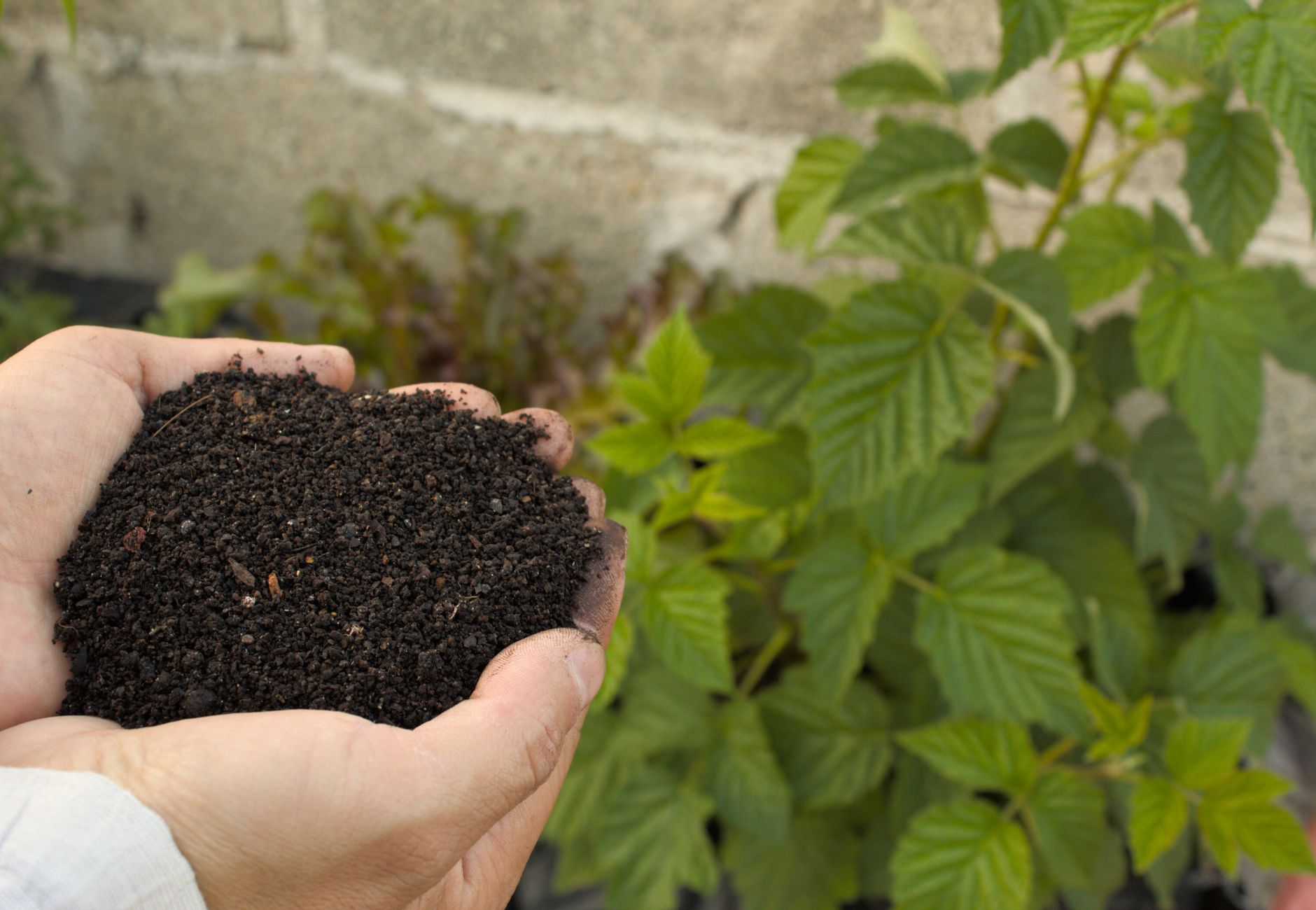 Photo by Silva Montanis on Pexels.
Compost is decomposed organic matter. You make it, apply it, and soil organisms consume it. Done well, finished compost is teeming with microbial life, loaded with available nutrients, and genuinely valuable. But it is temporary. Within one to three growing seasons, most of what you spread has been metabolized and released. That is partly the point: nutrients cycle, plants feed, biology thrives. Compost is a living input with a shelf life.
Humus is something else entirely. Formed through a long, complex process called humification, humus consists of stable organic compounds that resist further decomposition. These molecules bond tightly with mineral particles to form organo-mineral complexes. They persist in soil for decades, sometimes centuries. Where compost feeds the current season, humus builds the baseline.
Why does this distinction matter practically? Because many growers over-apply fresh or immature compost while neglecting the slower work of building stable organic matter. The result is a soil that looks biologically active in spring but crashes in drought, compacts under traffic, and needs constant inputs to maintain productivity. High humus content changes the physics of soil: water retention improves, cation exchange capacity rises, and the soil buffers itself against pH swings and temperature extremes.
Humification happens when soil biology processes organic residues under conditions that favor stable byproduct formation rather than complete mineralization. Fungal networks play a significant role here. Glomalin, a glycoprotein produced by mycorrhizal fungi, contributes directly to stable soil aggregates and is considered a measurable proxy for humus content. Slow, cool decomposition with adequate moisture and diverse microbial communities tends to produce more stable organic compounds than rapid, hot breakdown.
This is one reason the no-till argument has real weight beyond just avoiding disturbance. Tillage accelerates decomposition by exposing previously stable organic matter to oxygen and microbial activity. What took years to build can oxidize in a single season of aggressive cultivation. Soil organic matter percentages that took decades to accumulate drop measurably within a few years of repeated tillage.
graph TD
    A[Fresh Organic Matter] --> B(Active Compost)
    B --> C{Soil Biology}
    C --> D[/Nutrients Released to Plants/]
    C --> E((Stable Humus Forms))
    E --> F[Long-Term Soil Structure]
    F --> G[Water Retention & Cation Exchange]
Building humus deliberately requires patience and a specific set of practices. Cover cropping with deep-rooted species like daikon radish or chicory drives carbon deep into the soil profile, where cooler, slower conditions favor stabilization. Returning crop residues rather than removing them feeds the humification process. Adding biochar provides a physical scaffold where humus compounds can attach and persist. Inoculating with diverse fungal and bacterial communities supports the biological side of the equation.
Measuring progress is possible. Humus content shows up in soil organic matter percentage, but a more specific test looks at humic and fulvic acid fractions. Labs offering biological soil testing can distinguish active carbon (the fast-cycling fraction) from stable carbon (the humus fraction). Tracking both over several seasons tells you whether your management is building lasting fertility or just cycling nutrients through temporary organic matter.
One practical point worth understanding: high-humus soils require fewer external inputs over time. This is not a minor detail. Farmers who have built genuine humus over a decade of no-till, cover cropping, and minimal disturbance consistently report lower input costs and more stable yields across variable weather years. Drought hits them differently. Their soil holds water that sandy, low-humus ground loses within days.
Compost still belongs in the system. Use it to feed biology, supply available nutrients, and inoculate soil with microbial diversity. But treat it as a tool within a longer strategy, not the end goal. Humus is the end goal. Every management decision on the farm either builds it or burns it.
Get Authentic Farming in your inbox
New posts delivered directly. No spam.
No spam. Unsubscribe anytime.