Wood Ash in the Garden: The Forgotten Mineral Powerhouse Your Soil Needs
 E. Whitfield
Most gardeners throw away one of nature's most potent soil amendments every winter. Wood ash from your fireplace or wood stove contains concentrated minerals that can transform depleted soils, if you know how to use it properly.
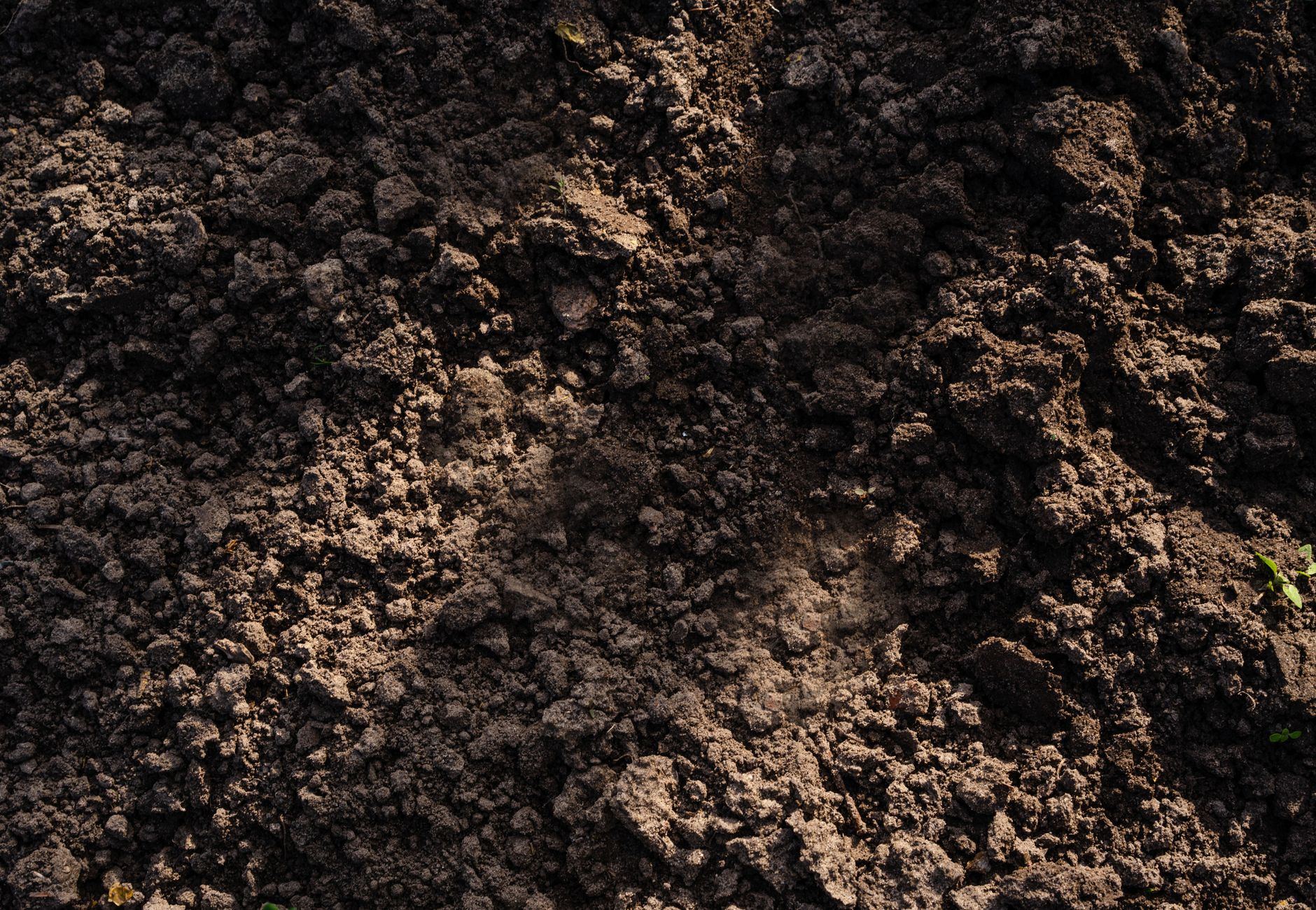 Photo by Atlantic Ambience on Pexels.
Unlike synthetic fertilizers that flood plants with isolated nutrients, wood ash delivers a complex mineral profile. Potassium makes up 6-10% of quality hardwood ash. Calcium ranges from 25-45%. You'll also find magnesium, phosphorus, and trace elements like boron and zinc.
Why does this matter? Modern agriculture has stripped these minerals from farmland through decades of extraction without replacement. Commercial NPK fertilizers focus on nitrogen, phosphorus, and potassium while ignoring the dozen other elements plants need for optimal health.
The Science Behind Wood Ash Benefits
Potassium regulates water movement in plant cells and activates over 60 enzymes involved in growth and metabolism. Plants deficient in potassium show weak stems, poor fruit development, and increased susceptibility to disease.
Calcium does more than most people realize. Beyond strengthening cell walls, it helps plants absorb other nutrients and reduces soil compaction by improving aggregate structure.
The alkaline nature of wood ash (pH 9-13) makes it particularly valuable for acidic soils. Most vegetables prefer a pH between 6.0-7.0, but many garden soils test below 6.0 due to acid rain and organic matter decomposition.
graph TD
    A[Wood Ash Application] --> B{Soil pH Test}
    B --> C[Acidic Soil pH < 6.0]
    B --> D[Neutral Soil pH 6.0-7.0]
    B --> E[Alkaline Soil pH > 7.0]
    C --> F[Apply 5-10 lbs per 1000 sq ft]
    D --> G[Apply 2-5 lbs per 1000 sq ft]
    E --> H[Do Not Apply]
Which Crops Respond Best
Root vegetables love wood ash applications. Carrots, beets, and turnips grown in ash-amended soil develop better color and sweetness. The extra potassium enhances sugar production and storage.
Brassicas, cabbage, kale, broccoli, show dramatic improvements in both yield and pest resistance. Club root disease, which thrives in acidic conditions, virtually disappears when soil pH rises above 6.5.
Tomatoes benefit from the calcium boost, which prevents blossom end rot. Apply ash in fall rather than spring to avoid rapid pH swings during the growing season.
Application Methods That Actually Work
Timing matters more than most realize. Fall application allows ash to integrate slowly over winter. Spring applications can shock plants if overdone.
Never apply ash directly around acid-loving plants like blueberries or azaleas. The pH shift will damage or kill them.
Mix ash into compost piles to accelerate decomposition while moderating its alkaline effects. The organic matter buffers pH changes and creates a more balanced amendment.
For established gardens, broadcast 5-10 pounds per 1,000 square feet on acidic soils. Cut that rate in half for neutral soils. Always test pH before and after application.
What to Avoid
Coal ash contains heavy metals and sulfur compounds that harm soil biology. Stick to hardwood ash from untreated lumber only.
Charcoal briquettes leave chemical residues. Paper and cardboard ash may contain inks and bleaches. Clean wood ash should be gray-white with no black chunks or foreign materials.
Never apply fresh ash directly to seeds or young transplants. The caustic nature can burn tender roots and stems.
Storage and Safety
Ash absorbs moisture from air, which reduces its effectiveness and creates handling problems. Store in metal containers with tight lids, away from combustible materials.
Wear gloves and avoid breathing ash dust during application. The fine particles irritate skin and respiratory systems.
Beyond Basic Application
Compost tea made with small amounts of ash provides quick mineral nutrition for container plants. Use one tablespoon per gallon of water, let sit 24 hours, then strain before applying.
Mixed with diatomaceous earth, ash creates an effective slug barrier while feeding soil slowly. The sharp edges deter pests while minerals leach down to root zones.
Wood ash represents everything authentic farming stands for: taking natural byproducts and cycling them back into food production. Rather than buying bags of mined potash shipped across continents, you're using local resources to rebuild soil health one application at a time.
Get Authentic Farming in your inbox
New posts delivered directly. No spam.
No spam. Unsubscribe anytime.