Kelp Meal and Seaweed Extracts: The Ocean's Gift to Soil Fertility
 E. Whitfield
Farmers have been hauling seaweed off beaches and spreading it on fields for centuries. Coastal communities in Ireland, Scotland, and Japan understood something that modern agriculture largely forgot: the ocean concentrates minerals that terrestrial soils have been slowly losing since the last ice age. Kelp and other seaweeds pull from that mineral reservoir constantly, and when you apply them to your land, you're returning what erosion and cropping have taken.
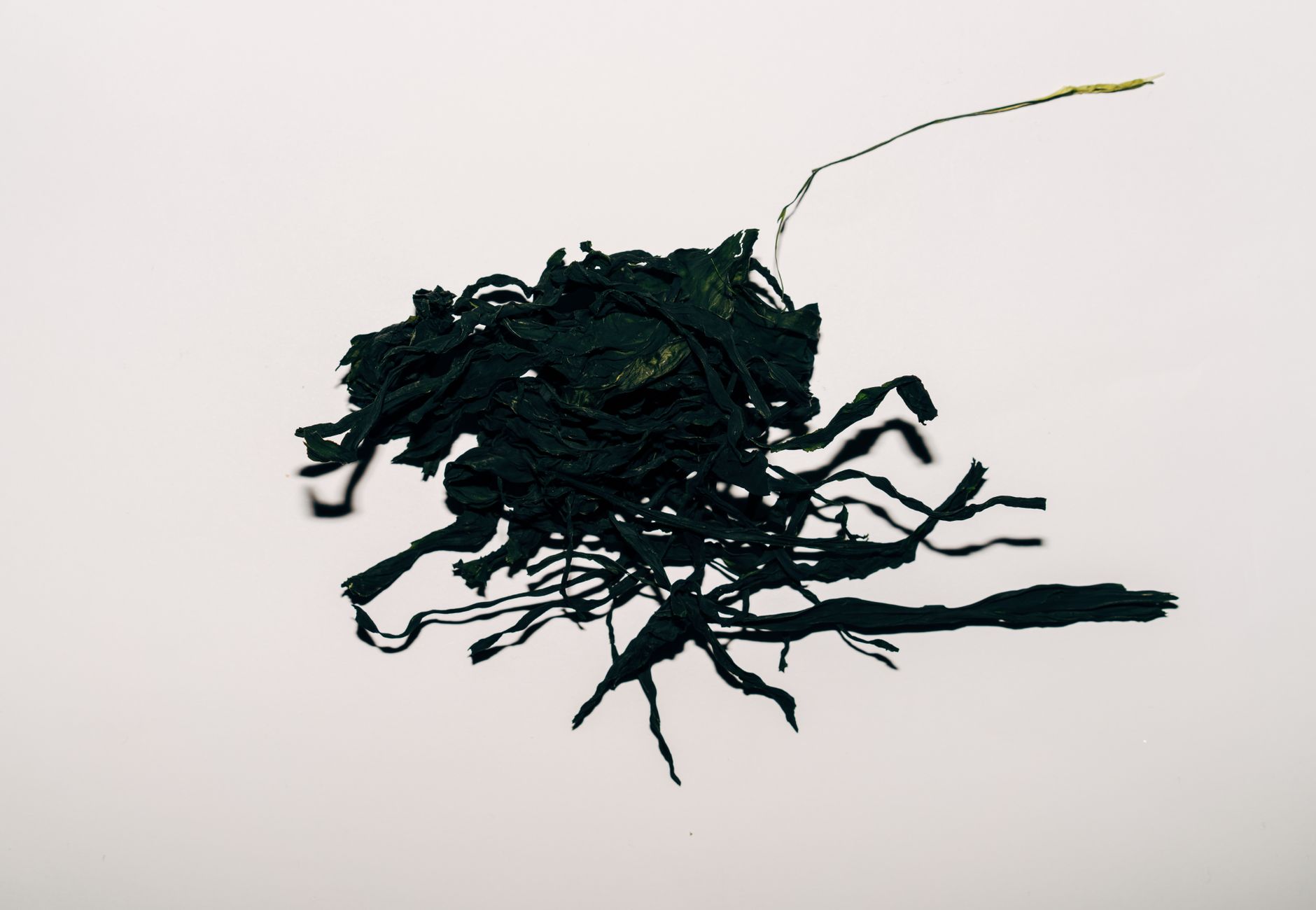 Photo by Markus Winkler on Pexels.
This isn't nostalgia. There's solid science behind why seaweed inputs work, and understanding the mechanisms makes you a better applicator.
What's Actually in Seaweed
Kelp (particularly Ascophyllum nodosum, the species most commonly used in agricultural products) contains over 60 trace minerals, natural cytokinins, auxins, and betaines. The cytokinins alone justify the cost. These plant hormones regulate cell division, delay leaf senescence, and trigger stress tolerance responses. When you spray a dilute seaweed extract on transplants an hour before putting them in the ground, you're priming them hormonally for the shock of transplanting. Root establishment improves measurably.
Auxins encourage lateral root development. More lateral roots mean more soil contact, more mycorrhizal colonization points, and better water uptake during dry spells. You're not just feeding the plant; you're building its architecture underground.
The trace mineral profile reads like a periodic table sampler: iodine, selenium, vanadium, cobalt, molybdenum, manganese. Many of these appear in such small quantities in the seaweed itself that they'd never show up in a standard soil test. But enzymes depend on them. Nitrogenase (the enzyme responsible for biological nitrogen fixation) requires molybdenum and iron as cofactors. A soil deficient in molybdenum is a soil where your nitrogen-fixing biology underperforms, even when the bacteria are present.
Kelp Meal vs. Liquid Extracts: Choose Based on Your Goal
Kelp meal is dried, ground kelp. Liquid seaweed extract is either cold-pressed or enzyme-hydrolyzed from fresh or dried seaweed. They behave differently in practice.
Kelp meal breaks down slowly in the soil. Microbes process it over weeks and months, releasing minerals incrementally and feeding the microbial community with organic carbon as they go. Apply it at seeding or transplanting, worked lightly into the top few inches. Rates of 1 to 2 pounds per 100 square feet are typical for garden beds; field applications range from 50 to 200 pounds per acre depending on your existing soil mineral status.
Liquid extracts work faster. Applied as a foliar spray, they can be absorbed through leaf stomata within hours. The cytokinins in cold-pressed extracts are more biologically active than those in high-heat-processed products, which is worth paying attention to when you're sourcing. Look for products that specify cold processing or enzymatic hydrolysis. Heat destroys the hormonal fraction even if it preserves the mineral content.
graph TD
    A[Seaweed Input] --> B{Application Method}
    B --> C[Kelp Meal: Soil Incorporated]
    B --> D[Liquid Extract: Foliar or Drench]
    C --> E(Slow mineral release + microbial feeding)
    D --> F(Fast cytokinin + auxin uptake)
    E --> G((Improved soil biology))
    F --> G
Timing Makes the Difference
Seaweed extracts shine at specific growth stages. Apply at transplanting to reduce shock. Apply at flower initiation to support fruit set (cytokinins play a direct role in pollen viability and fruit development). Apply during periods of heat or drought stress, when plants need every resilience signal they can get.
Some growers add liquid seaweed to their fermented compost tea mixes, combining the hormonal and mineral content of seaweed with the living microbial load of the tea. The two inputs are complementary. Seaweed sugars (particularly alginates and fucoidans) also function as prebiotic food sources for soil bacteria, feeding the biology you're trying to cultivate.
Sourcing and Sustainability
Not all seaweed products are equal. Wild-harvested Ascophyllum nodosum from the North Atlantic is the industry standard, but sustainable harvesting matters. Responsible producers harvest no more than a third of any given rockweed bed and observe multi-year rotation cycles. Ask your supplier about their sourcing practices. Overharvested coastal beds take years to recover, and the communities that depend on healthy intertidal zones for fisheries and storm protection feel it first.
Farmed seaweed (particularly kelp species grown on longlines) is an emerging and promising source. It requires no freshwater, no fertilizer inputs, and actively sequesters carbon while growing. Expect to see more farmed seaweed products on the market over the next decade as aquaculture operations scale up.
Your soil has been waiting for these minerals. The ocean kept them. Time to bring them home.
Get Authentic Farming in your inbox
New posts delivered directly. No spam.
No spam. Unsubscribe anytime.