Soluble Silica: The Overlooked Mineral That Strengthens Plants From the Inside Out
 E. Whitfield
Most growers obsess over nitrogen, phosphorus, and potassium. Understandable. Those three get the most press, the most shelf space at the farm store, and the most blame when things go wrong. But silicon sits quietly in the background, doing work that NPK simply cannot do, and most soils are running low on the plant-available form.
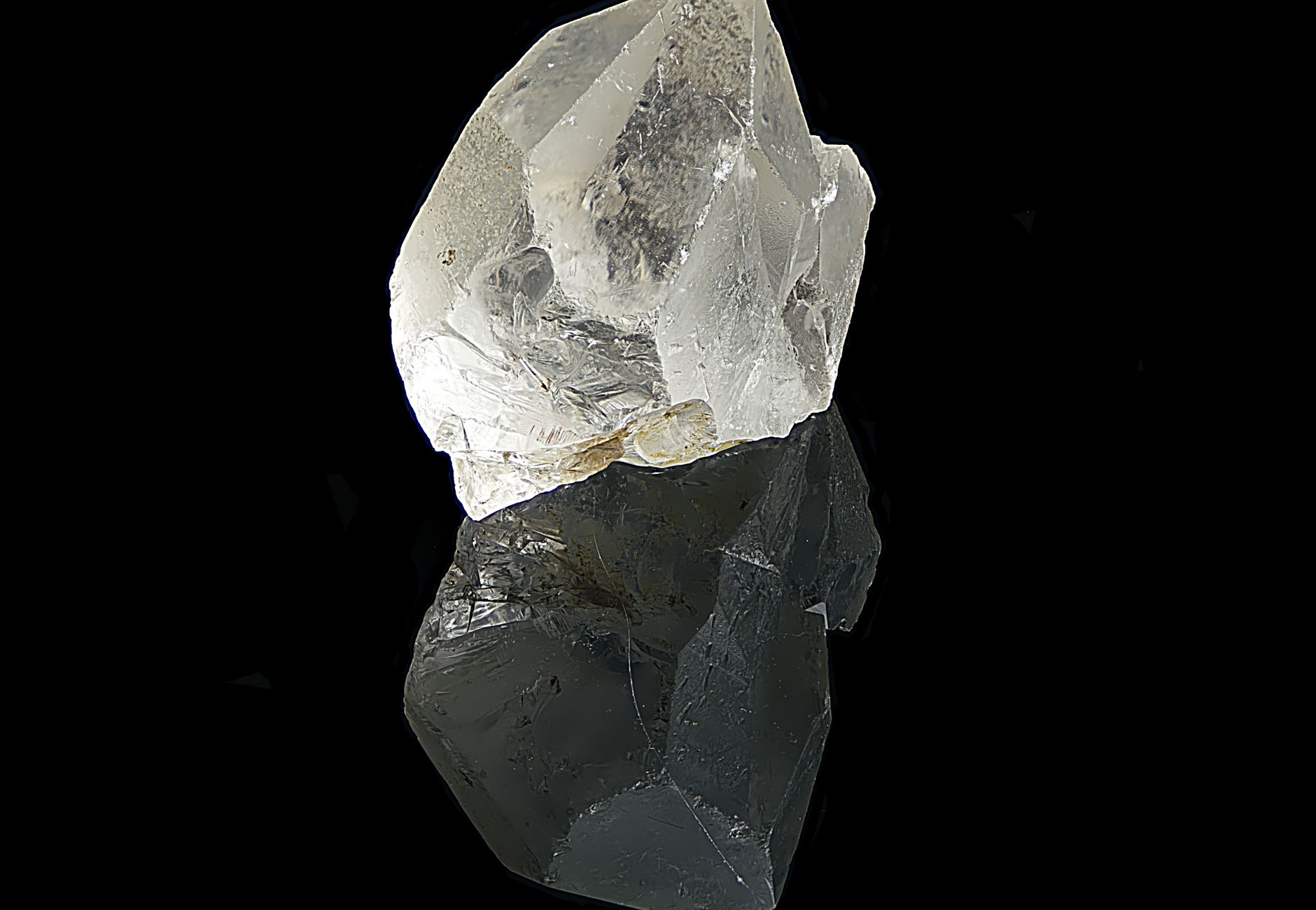 Photo by Peter Döpper on Pexels.
Silicon is the second most abundant element in the Earth's crust. Soils contain plenty of it in total. The problem is bioavailability. Silicon locked in mineral form (think quartz, feldspar, granite) does almost nothing for your plants. What they need is monosilicic acid, also called plant-available or soluble silica. That's the form roots actually absorb. And in many intensively farmed or leached soils, that pool gets depleted faster than weathering can replenish it.
What Silicon Actually Does Inside a Plant
Once absorbed, silicon deposits in epidermal cell walls and forms a physical barrier just beneath the leaf surface. Run your finger along a healthy corn leaf or a mature grass blade and notice the slight abrasiveness. That's silica. It makes plant tissue structurally tougher, which matters more than it sounds.
Pests with chewing mouthparts spend more energy cutting through silicified tissue. Studies from rice production in Japan showed significant reductions in brown planthopper damage in plots supplied with silica versus depleted controls. Aphids and spider mites face similar friction. The plant isn't poisoning them; it's just harder to eat.
Fungal pathogens have their own troubles with silicon-rich plants. Powdery mildew, gray mold, and blast fungi all penetrate tissue by dissolving cell walls enzymatically. Silicified walls slow that process considerably. Some research suggests silicon also triggers systemic resistance responses, priming the plant's own defenses before an attack even begins.
Drought tolerance improves too. Silica deposits help regulate transpiration by reinforcing stomatal guard cells, reducing water loss under heat stress. For dry-land farmers or anyone dealing with increasingly erratic summers, that's worth paying attention to.
Where to Get Soluble Silica
Not all silicon sources are equal. Here's how the main options break down:
graph TD
    A[Silicon Sources] --> B(Potassium Silicate)
    A --> C(Diatomaceous Earth)
    A --> D(Rice Hull Ash)
    A --> E(Wollastonite)
    B --> F[Immediately plant-available]
    C --> G[Slow-release, soil amendment]
    D --> G
    E --> G
Potassium silicate is the fastest route to plant-available silicon. It dissolves readily in water, can be applied as a soil drench or foliar spray, and raises pH slightly (keep that in mind if your soil is already alkaline). Use it diluted: around 0.5 to 1 milliliter per liter for foliar, slightly higher for soil applications.
Rice hull ash is a byproduct worth seeking out if you have access to a rice processor or biochar producer. It runs 80 to 90 percent amorphous silica by weight. Mixed into compost or tilled into beds, it releases silicon steadily over a season or two.
Wollastonite is a calcium silicate mineral that weathers slowly into plant-available forms. It also supplies calcium and raises pH gently. Think of it as a long-game amendment, best used when you're building a soil program for the next several years rather than fixing an immediate deficiency.
Diatomaceous earth works similarly to wollastonite in terms of release speed. The amorphous silica in DE is more soluble than crystalline quartz, but it still takes time and soil microbial activity to make it fully available.
Crops That Respond Best
Grasses accumulate silicon most aggressively. Corn, wheat, oats, sorghum, and sugarcane all show strong responses. Rice is so silicon-dependent that Japanese farmers have applied silica amendments for centuries, long before anyone understood the chemistry.
Cucurbits (cucumbers, squash, melons) benefit substantially, especially when powdery mildew pressure is high. Strawberries and tomatoes show documented improvements in shelf life and skin integrity with adequate silicon. Even in crops that don't accumulate silicon heavily, the indirect disease-suppression effects show up in field trials.
Practical Starting Points
If you want to test the response on your farm, start with a potassium silicate drench at transplanting, then follow with two or three foliar applications at two-week intervals once plants are established. Keep a simple split-plot trial: treated rows versus untreated, same everything else. Watch for differences in pest pressure, mildew incidence, and how the plants hold up during any dry spells.
For a longer-term approach, incorporate rice hull ash or wollastonite into your composting system or work it into beds before planting. Combine that with a living soil program (active biology speeds up silica weathering), and you'll build a silicon reserve that feeds crops for multiple seasons.
Silicon won't replace a solid compost program or good biology. Nothing does that. But for growers trying to reduce fungicide applications, tighten up pest management, and push plant health past what organic certification alone delivers, soluble silica deserves a serious look.
Get Authentic Farming in your inbox
New posts delivered directly. No spam.
No spam. Unsubscribe anytime.