Sulfur in Organic Farming: The Forgotten Nutrient That Unlocks Protein, Flavor, and Disease Resistance
 E. Whitfield
Sulfur doesn't get the attention it deserves. Nitrogen, phosphorus, potassium: those three get plastered on every fertilizer bag. Sulfur sits quietly in the background, and crops suffer for it.
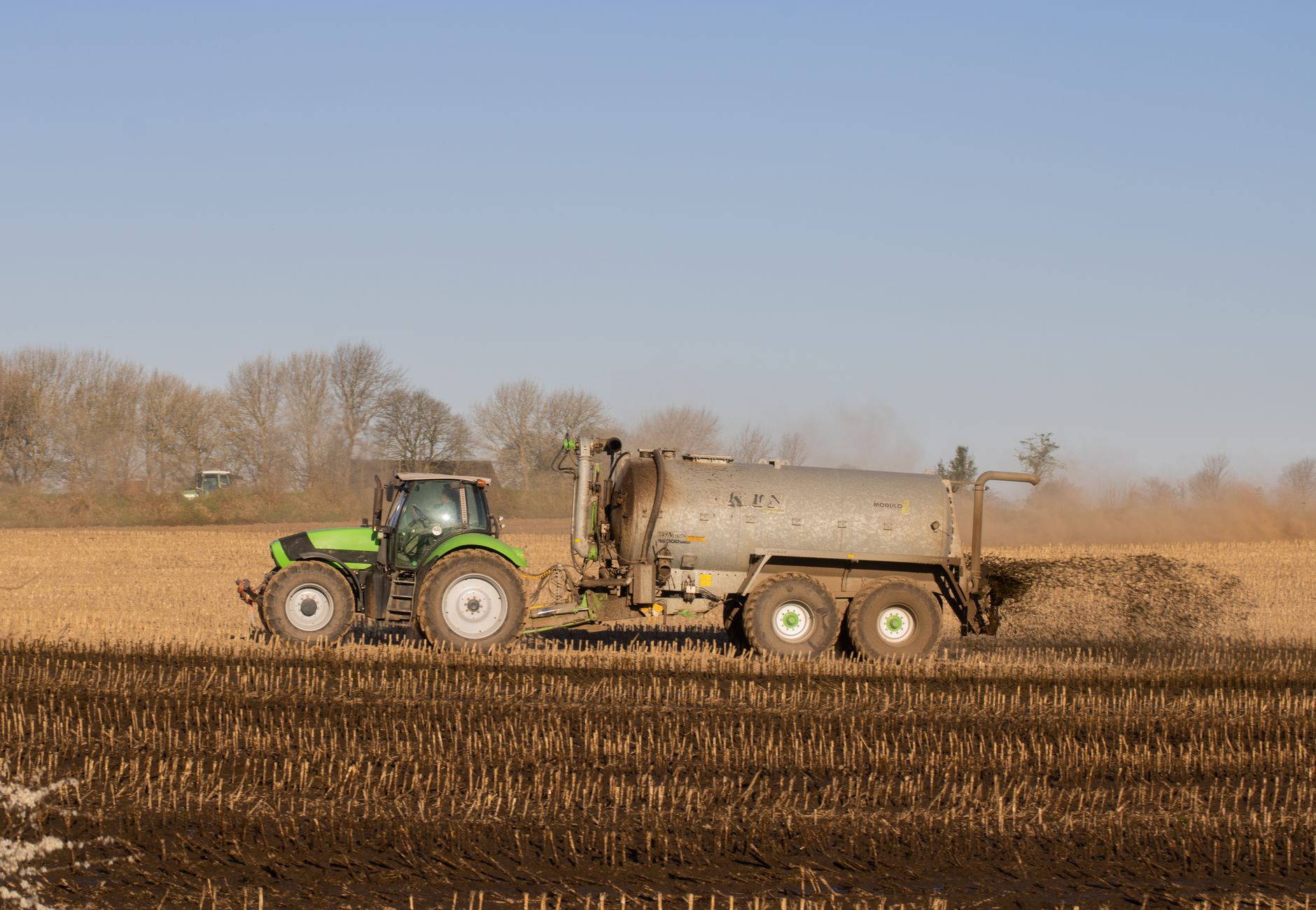 Photo by Mirko Fabian on Pexels.
Here's the reality: sulfur is the fourth most important macronutrient for plant growth, and deficiencies are becoming more common across farmland that has relied on synthetic fertilizers for decades. Those fertilizers used to deliver sulfur as an impurity. Cleaner modern formulations no longer do. The result is widespread, silent deficiency that degrades protein content, mutes flavor compounds, and leaves plants more vulnerable to fungal disease.
If your brassicas taste flat, your alliums lack punch, or your wheat protein tests low year after year, sulfur is worth investigating.
Why Sulfur Matters More Than You Think
Plants use sulfur to build amino acids, specifically methionine and cysteine. These are structural components of every protein the plant assembles. Without adequate sulfur, protein synthesis stalls even when nitrogen is abundant. You can pour on compost and still get watery, low-density crops if sulfur is the limiting factor.
Flavor is the other big one. The compounds that give garlic its bite, onions their sharpness, and mustard its heat are all sulfur-based. Glucosinolates in brassicas, allicins in alliums, thiols in cruciferous vegetables: none of them form properly in sulfur-deficient soil. Growers who wonder why their homegrown garlic lacks the intensity of old varieties often blame the seed. Frequently, the soil is the real issue.
Sulfur also plays a direct role in disease suppression. Elemental sulfur has been used as a fungicide for centuries, and plants with adequate internal sulfur are measurably more resistant to powdery mildew and other fungal pathogens. This isn't a marginal effect. Sulfur-deficient crops are visibly more susceptible under the same disease pressure.
What Deficiency Looks Like
Younger leaves turn pale yellow first, which distinguishes sulfur deficiency from nitrogen deficiency (nitrogen shows up in older leaves). Stems may appear thin and weak. Brassicas often show cupped or stunted new growth. The visual signs are easy to confuse with other nutrient problems, which is why a soil or tissue test is worth doing before you assume.
Soil tests don't always catch it cleanly, since sulfur cycles through organic matter and can be present in forms plants can't access. A tissue test on actively growing plants gives you cleaner data.
Organic Sources That Actually Work
Several organic inputs deliver meaningful sulfur without compromising your certification or soil biology.
Gypsum (calcium sulfate) is the workhorse option. It's mined, fully approved for organic production, and delivers sulfur in sulfate form, which plants can absorb immediately. It also adds calcium without raising soil pH, which makes it useful on high-pH soils where you don't want to push alkalinity further. Rates of 200 to 500 pounds per acre are typical, applied before planting or as a top-dress.
Elemental sulfur works more slowly. Soil bacteria (primarily Thiobacillus species) oxidize it into sulfate over weeks to months, so it functions as a slow-release option. It also acidifies soil, which can be useful on alkaline ground but problematic where pH is already low. Apply it in fall to give conversion time before spring planting.
Composted manures contain organic sulfur from protein in animal feed. Well-aged poultry manure tends to be highest. The sulfur releases as organic matter mineralizes, which ties it to soil biological activity. Consistent organic matter management over multiple years builds a reliable sulfur cycling system.
Cover crops in the brassica family, mustards especially, scavenge sulfur from deeper soil layers and bring it back to the surface when incorporated. This is a useful strategy on fields with sulfur deeper in the profile.
graph TD
    A[Organic Matter / Manure] --> B(Microbial Mineralization)
    C[Elemental Sulfur] --> D{Thiobacillus Oxidation}
    B --> E[Plant-Available Sulfate]
    D --> E
    F[Gypsum] --> E
    E --> G((Crop Uptake))
    G --> H[Protein / Flavor Compounds]
Getting the Timing Right
Sulfur moves with water in the soil profile. On sandy or high-rainfall ground, sulfate leaches readily, so split applications or pre-plant timing matters. On heavier soils with more organic matter, sulfur holds better and a single fall or spring application often carries a full season.
Brassica crops are the heaviest feeders and most visibly responsive. Wheat and other small grains show clear quality improvements in protein and test weight when sulfur is adequate. Alliums and legumes benefit strongly as well.
The payoff for getting this right shows up in ways that matter: flavor you can taste, protein density you can measure, and crops that carry themselves through disease pressure without rescue sprays. Soil fertility work is always a long game, but sulfur is one area where correcting a deficiency produces noticeable results within a single season. That's a rare thing in this work, and it's worth taking seriously.
Get Authentic Farming in your inbox
New posts delivered directly. No spam.
No spam. Unsubscribe anytime.