Fermented Plant Juice: The Korean Natural Farming Input You Can Make From Weeds
 E. Whitfield
Weeds have a reputation problem. Most growers yank them out, toss them in a pile, and move on. But if you practice Korean Natural Farming, those same weeds become one of your most valuable inputs. Fermented plant juice, or FPJ, is the process of pulling nutrients and beneficial microorganisms out of fast-growing plant tissue using nothing more than brown sugar and time.
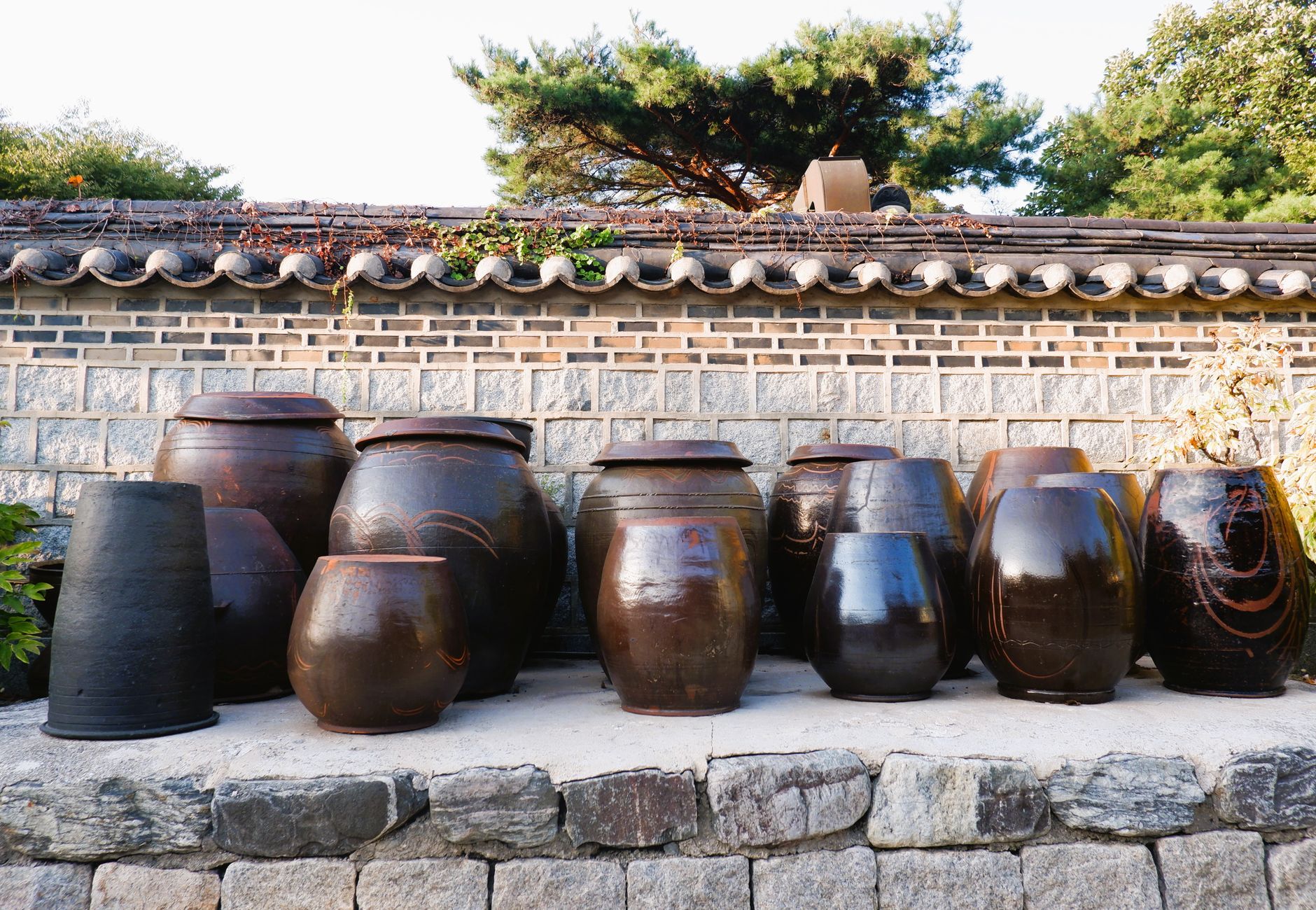 Photo by
 The logic is elegant. Plants in a state of rapid vegetative growth are packed with hormones, enzymes, amino acids, and sugars. Comfrey sending up new shoots, stinging nettle in early spring, mugwort before it flowers, bamboo tips, or even young dandelion leaves: these plants are biochemically dense precisely because they are growing fast. Osmotic pressure from the sugar draws those compounds out of the cell walls and into a liquid you can then apply to your soil or spray directly on crop foliage.
What comes out of a finished FPJ ferment is not just a simple fertilizer. Analysis of FPJ made from plants like comfrey or stinging nettle consistently shows plant-available nitrogen, potassium, calcium, and a range of trace minerals. The fermentation process also produces lactic acid bacteria and other beneficial microbes that persist in the jar and colonize your soil when you apply them as a drench.
How to Make Fermented Plant Juice
The process is straightforward, but the details matter.
graph TD
    A[Harvest young plant material] --> B[Weigh fresh plant mass]
    B --> C[Mix with brown sugar at 1:1 ratio by weight]
    C --> D[Pack into jar, cover loosely]
    D --> E[Ferment 7-10 days at room temp]
    E --> F{Liquid separated from solids?}
    F -- Yes --> G[Strain and store FPJ]
    F -- No --> H[Wait 2-3 more days]
    H --> F
Harvest your plant material early in the morning, before the heat of the day drives moisture out of the leaves. You want plants at peak growth: new shoots, not mature stalks. Avoid anything that has begun to flower, because the plant's energy has shifted from leaf tissue to reproduction, and the biochemical profile changes.
Weigh your plant material, then mix in an equal weight of brown sugar. Refined white sugar works as an osmotic agent, but brown sugar carries molasses, which feeds the microbial community you are trying to cultivate. Pack the mixture loosely into a glass jar, cover with a cloth secured by a rubber band (not a sealed lid, because the ferment produces CO2), and keep it somewhere around 65 to 75 degrees Fahrenheit.
Within 24 to 48 hours, liquid starts pooling at the bottom of the jar. Over the next week, the sugar fully draws the cellular fluids out of the plant matter. After seven to ten days, strain out the solids and bottle the liquid. Stored in a cool, dark place with a small amount of brown sugar added, FPJ keeps for months.
Application Rates and How to Use It
FPJ is concentrated. A dilution of 1:500 to 1:1000 with water is standard for both foliar sprays and soil drenches. That sounds like a lot of dilution, but at these rates a single liter of FPJ goes a very long way across a market garden or small farm.
As a foliar spray, apply early morning or evening to avoid leaf scorch and to give the plant time to absorb the compounds before heat sets in. As a soil drench, apply around the root zone during irrigation. Some growers rotate FPJ with other KNF inputs like oriental herbal nutrient (OHN) or water-soluble calcium on a weekly schedule, but even monthly applications show measurable improvements in soil microbial counts over a season.
Plant selection shapes what you get. Comfrey is the classic choice because its deep taproots pull up minerals from below the topsoil, concentrating them in its leaves. Stinging nettle is high in iron and nitrogen. Bamboo shoots are prized in KNF for their cytokinins, which promote cell division. Horsetail is a silica source. You can make single-plant FPJ to target specific needs, or blend a handful of different species for a broader spectrum of compounds.
Why This Beats Buying A Bottle
Commercially available seaweed extracts, fish hydrolysates, and plant-based foliar sprays are useful. They are also expensive at scale. A jar of FPJ costs you whatever weeds are growing at the edge of your field and a few kilograms of brown sugar. The fermentation process itself concentrates and transforms the raw material in ways that cold-pressing or drying cannot replicate.
Growing your own inputs changes how you see the farm. Comfrey becomes a crop worth tending. Nettles along the fence line become a resource worth protecting. The farm starts feeding itself, and that shift in perspective is, practically speaking, the whole point of going beyond organic.
Get Authentic Farming in your inbox
New posts delivered directly. No spam.
No spam. Unsubscribe anytime.