Calcium and Boron: The Mineral Partnership That Determines Whether Your Crops Actually Thrive
 E. Whitfield
Most growers who discover a calcium deficiency go straight for the lime bag. Blossom end rot on tomatoes, tip burn on lettuce, hollow stems on broccoli: calcium, clearly. So they apply calcium, wait, and watch the same symptoms come back the following season. The problem usually has nothing to do with how much calcium they applied.
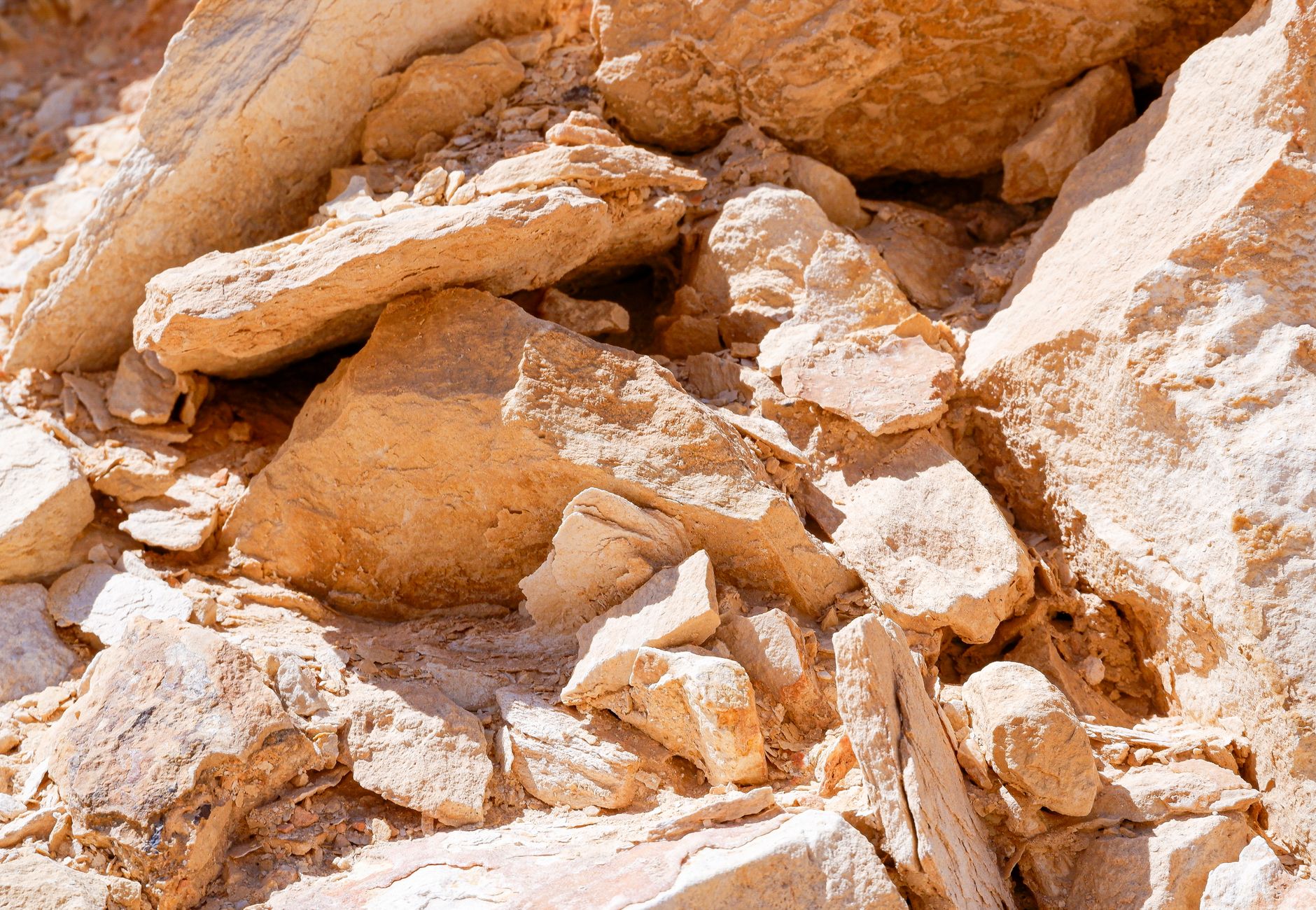 Photo by Ann Perkas on Pexels.
Boron is the reason.
These two minerals move together inside the plant. Boron regulates calcium transport across cell membranes and into growing tissue. Without adequate boron, calcium gets stuck. It accumulates in older leaves while young tissue starves, which is exactly the pattern growers keep misreading as a calcium deficiency. The calcium was there. It just couldn't move.
Understanding this relationship changes how you diagnose crop problems and how you build fertility programs that actually hold.
Why Calcium Fails Without Boron
Calcium is a relatively immobile nutrient inside plants. Once it deposits in older tissue, it stays there. New growth depends entirely on a continuous upward flow from the roots, driven by transpiration. Boron facilitates the proteins that load calcium into the xylem and shuttle it into rapidly dividing cells.
When boron is deficient, that shuttle breaks down. The result looks like calcium deficiency even when soil calcium is abundant. Tip burn, hollow heart in beets and turnips, black heart in celery, cracked and corky fruit: these are boron-calcium failure symptoms, and lime alone will never fix them.
Boron also plays its own separate roles. It supports cell wall integrity, pollen viability, sugar transport, and root elongation. A plant that's boron-deficient tends to be stunted and brittle in ways that calcium supplementation won't touch.
What Depletes Boron
Boron is water-soluble and leaches easily in sandy soils or high-rainfall environments. Heavy liming raises soil pH, which reduces boron availability even when boron is physically present in the soil. This is one of the more ironic traps in conventional soil management: applying calcium to fix a deficiency can worsen boron availability, which then undermines the calcium you just applied.
Over-irrigation compounds the problem. So does a history of high-yield annual cropping without attention to trace mineral replenishment. Many intensively farmed soils are boron-depleted not because boron was never there, but because it's been washed past the root zone for decades.
Soil tests often miss this. Standard panels don't always include boron. When they do, the acceptable range listed on lab reports can be misleadingly wide. Target a minimum of 1.0 ppm boron in your soil test, and cross-reference with tissue testing if you're seeing the symptoms described above.
How to Correct Both at Once
The correction is straightforward once you know what you're looking at.
For soil application, borax (sodium tetraborate) or granular boron products work well broadcast and incorporated before planting. The rates are small: typically 1 to 3 pounds of borax per acre, depending on deficiency severity. More is not better. Boron toxicity is real and relatively easy to trigger in sensitive crops like beans and strawberries.
For in-season correction, foliar boron works quickly. A 0.1 to 0.2% solution of soluble boron sprayed on foliage gets into the plant fast enough to salvage a crop mid-season. Combine it with a small amount of calcium chelate in the spray tank and you're addressing both sides of the deficiency at once.
On the calcium side, gypsum (calcium sulfate) has advantages over lime when pH is already adequate. It supplies calcium and sulfur without raising pH further, which keeps boron more available. Calcitic limestone makes sense when pH genuinely needs correction; otherwise, gypsum is usually the smarter calcium source.
graph TD
    A[Boron Applied to Soil or Foliar] --> B(Boron Absorbed by Roots or Leaves)
    B --> C{Boron Facilitates Calcium Transport}
    C --> D[Calcium Moves Into Xylem]
    D --> E[Calcium Delivered to Growing Tissue]
    E --> F(Healthy Cell Walls and New Growth)
    C --> G[Without Boron: Calcium Stalls in Old Tissue]
Crops That Signal the Deficiency First
Some crops are particularly sensitive and will show you the problem before others do. Brassicas, beets, celery, apples, pears, and alfalfa are classic early indicators. If you're seeing repeated problems in these crops despite adequate calcium applications, test for boron immediately.
Root crops are especially telling. Hollow beet crowns and corky patches in turnips almost always trace back to boron-calcium dysfunction. Fruit set problems in trees, including poor pollination and misshapen fruit, frequently have boron deficiency at the root.
Pay attention to what the farm is telling you. Chronic, recurring problems that don't respond to obvious inputs usually point to something smaller and more specific than growers expect. In this case, it's often a mineral that most people never think to test for, working quietly alongside one they already know about.
Fix the relationship, and the calcium problem often fixes itself.
Get Authentic Farming in your inbox
New posts delivered directly. No spam.
No spam. Unsubscribe anytime.