Why Companion Planting Beats Modern Monoculture Every Time
 E. Whitfield
Walk through any industrial farm and you'll see the same thing: endless rows of identical plants stretching to the horizon. Corn. Soybeans. Wheat. This monoculture approach dominates modern agriculture, but it's a historical anomaly.
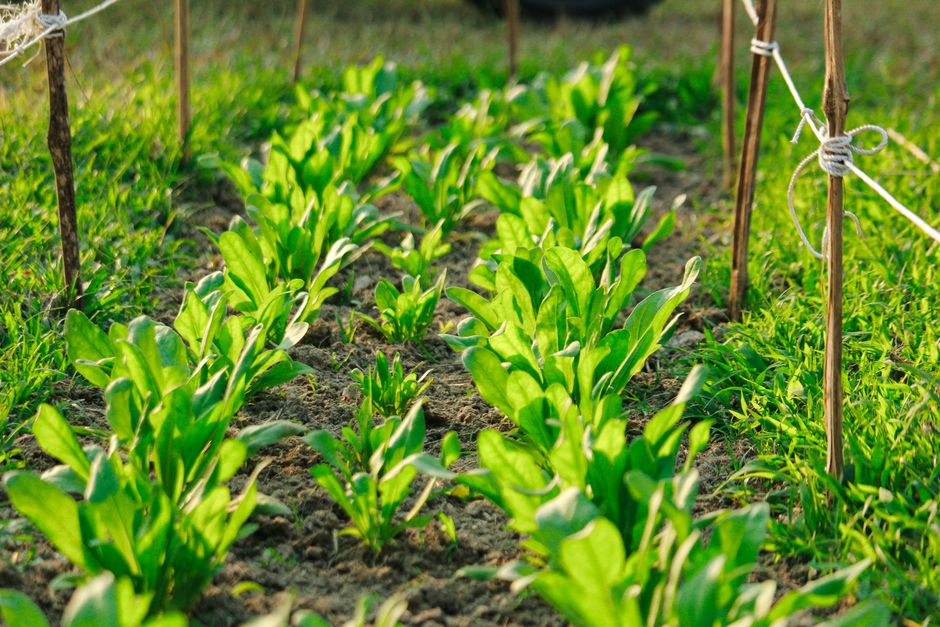
For thousands of years, farmers understood something we're rediscovering: plants grow better together. The Three Sisters, corn, beans, and squash, fed civilizations across the Americas. French gardeners perfected the art of intercropping vegetables in their intensive market gardens. These weren't quaint traditions; they were sophisticated agricultural systems that outperformed anything we see today.
Nature Doesn't Do Monocultures
Step into any forest or prairie. You won't find a single species dominating acre after acre. Instead, you'll discover complex webs of mutual support: nitrogen-fixing legumes feeding heavy feeders, deep-rooted plants bringing minerals to shallow-rooted neighbors, aromatic herbs deterring pests from vulnerable companions.
This biodiversity isn't accidental, it's efficient. Each plant occupies its own niche, maximizing the use of sunlight, water, and soil nutrients. Competition exists, but cooperation drives the system.
graph TD
    A[Nitrogen-fixing plants] --> B[Heavy feeders]
    C[Deep-rooted plants] --> D[Shallow-rooted plants]
    E[Aromatic herbs] --> F[Pest-prone crops]
    G[Ground covers] --> H[Tall plants]
    B --> A
    D --> C
    F --> E
    H --> G
The Real Power of Plant Partnerships
Companion planting works on multiple levels that go far beyond the folklore you might have heard. Yes, marigolds can help with certain pests, but the real magic happens underground and in the air around your plants.
Take the classic corn-bean-squash combination. Corn provides a natural trellis for beans to climb. Beans fix atmospheric nitrogen, feeding both themselves and their neighbors. Squash spreads across the ground, suppressing weeds and retaining soil moisture with its broad leaves. Each plant solves problems for the others while maximizing space usage.
Basil planted near tomatoes doesn't just smell good, it actually improves tomato flavor while deterring hornworms and aphids. The volatile oils released by basil create a protective zone that extends several feet in all directions.
Carrots and onions make another powerhouse duo. Onions repel carrot flies with their sulfur compounds, while carrots help break up compacted soil, making it easier for onion roots to expand.
Building Your Own Plant Communities
Starting with companion planting requires thinking differently about garden layout. Instead of neat single-crop rows, design patches or guilds where plants support each other.
Begin with a backbone crop, something substantial like tomatoes, peppers, or brassicas. Then add complementary plants based on their functions:
Nitrogen providers: Bush beans, peas, or clover Pest deterrents: Nasturtiums, catnip, or tansy Soil improvers: Comfrey or deep-rooted weeds you've made peace with Ground covers: Thyme, oregano, or low-growing lettuces
Timing matters as much as placement. Plant your nitrogen-fixers early so they can establish and start feeding soil bacteria before your heavy feeders really get going. Succession plant your pest deterrents so you maintain protection throughout the growing season.
Beyond the Vegetable Garden
Companion planting principles scale up beautifully. Orchardists plant comfrey around fruit trees to mine deep soil minerals and provide mulch. They use beneficial insect habitat plants to maintain predator populations year-round.
Grain farmers are rediscovering relay cropping, planting winter wheat into standing soybeans, or undersowing clover into corn. These techniques reduce soil erosion, improve fertility, and often increase total yields per acre.
The key is observing how plants behave in your specific conditions. What works in books might not work in your microclimate, but the principles remain sound: diversity creates stability, and cooperation beats competition.
Your garden can become a model for how agriculture should work, not fighting nature's patterns, but collaborating with them. That's what going beyond organic really means.
Get Authentic Farming in your inbox
New posts delivered directly. No spam.
No spam. Unsubscribe anytime.