Why Raw Milk From Pasture-Raised Cows Beats Pasteurized Every Time
 E. Whitfield
Why Raw Milk From Pasture-Raised Cows Beats Pasteurized Every Time
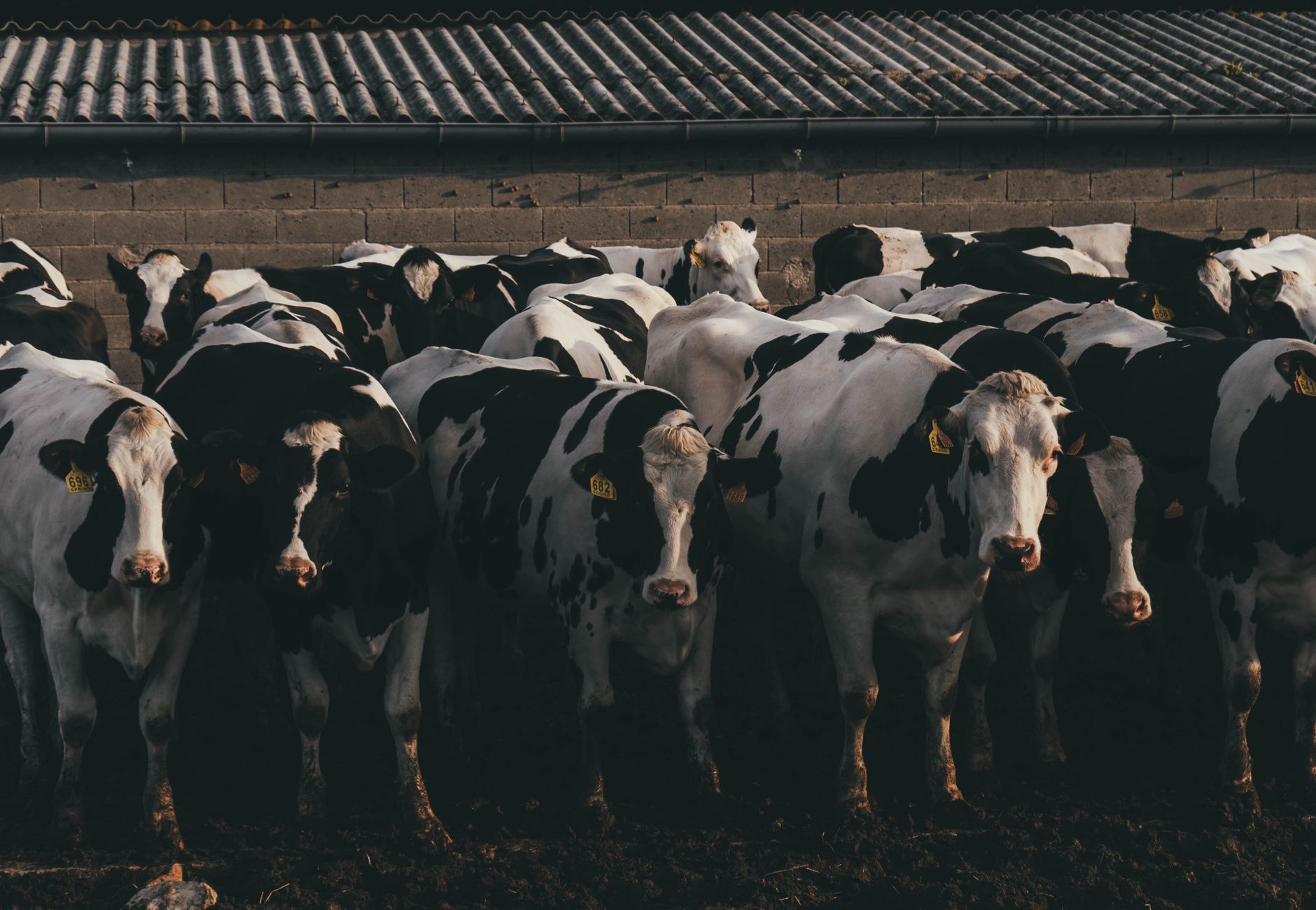 Photo by Jeffer Berrire on Pexels.
Walk into any grocery store and you'll find rows of white plastic jugs, all containing the same dead liquid. Pasteurized milk has been heated to 161°F for 15 seconds, killing every living enzyme, beneficial bacteria, and heat-sensitive vitamin in the process.
What remains? Empty calories masquerading as nutrition.
Raw milk from healthy, pasture-raised cows tells a completely different story. The milk contains lactase enzymes that help digest lactose naturally, explaining why many "lactose intolerant" people can drink raw milk without issues. Living probiotics support gut health. Heat-sensitive vitamins like B6, B12, and vitamin C remain intact.
The Enzyme Advantage That Changes Everything
Pasteurization destroys phosphatase, an enzyme that helps your body absorb calcium and phosphorus. Without it, your body struggles to use the minerals that milk supposedly provides. Raw milk keeps these enzymes alive and working.
Lipase, another enzyme destroyed by heat, breaks down milk fats for easier digestion. Raw milk drinkers report feeling satisfied longer and experiencing fewer digestive issues compared to pasteurized alternatives.
Consider this: calves fed pasteurized milk in studies consistently show poorer growth rates and higher disease susceptibility than those receiving raw milk. Why would human nutrition be any different?
flowchart TD
    A[Fresh Raw Milk] --> B{Heat Treatment?}
    B --> C[Pasteurized: 161°F]
    B --> D[Raw: No Heat]
    C --> E[Enzymes Destroyed]
    C --> F[Probiotics Killed]
    C --> G[Vitamins Degraded]
    D --> H[Enzymes Active]
    D --> I[Probiotics Living]
    D --> J[Vitamins Intact]
Pastured vs. Confined: The Foundation Matters
Not all raw milk delivers equal benefits. Cows eating fresh grass produce milk with higher omega-3 fatty acids, CLA (conjugated linoleic acid), and beta-carotene. Their immune systems stay strong through natural movement and diverse plant consumption.
Confinement operations, even organic ones, often feed cows grain, silage, and hay. This changes the milk's nutritional profile dramatically. Omega-6 fatty acids increase while beneficial omega-3s decrease. Vitamin content drops.
Grass-fed cows also produce milk with natural antimicrobial properties. Lactoferrin levels stay higher, providing natural protection against harmful bacteria. Clean pastures mean healthier cows, which means safer milk.
Addressing the Safety Question Head-On
Government agencies warn constantly about raw milk safety, but their data comes primarily from industrial operations with poor sanitation. Small-scale, pasture-based dairies maintain vastly different standards.
Proper raw milk production requires immediate cooling, scrupulous cleanliness, and regular testing. Many raw dairy farmers test their milk weekly, far more frequently than industrial operations. Healthy cows on clean pastures produce naturally safe milk.
Risk exists with any food. Pasteurized dairy has caused numerous foodborne illness outbreaks, including a 2007 listeria outbreak affecting multiple states. Heat treatment creates a false sense of security while destroying nutritional value.
Finding Real Milk in a Processed World
Legal raw milk sales vary by state. Some allow retail sales, others permit on-farm purchases only, and a few ban sales entirely. Herdshare programs offer legal alternatives in restrictive states, you own part of a cow and receive your share of milk.
When evaluating raw dairy sources, ask specific questions: What do the cows eat? How quickly is milk cooled after milking? What testing protocols do they follow? Can you visit the farm?
Quality raw milk costs more than supermarket milk, but you're paying for living nutrition instead of processed liquid. The difference in taste alone tells the story, rich, creamy, with subtle flavors that reflect the pasture's seasonal changes.
The Choice Between Living and Dead Food
Modern food processing prioritizes shelf stability and corporate profits over nutritional density. Pasteurization exemplifies this approach, destroying the good to eliminate potential bad.
Raw milk from well-managed, pasture-based operations represents authentic nutrition. Living enzymes, beneficial bacteria, and intact vitamins working together as nature designed. Your body recognizes and utilizes this food efficiently.
Choose your dairy based on what you want: convenience and long shelf life, or maximum nutrition and vitality. One supports industrial agriculture; the other supports regenerative farming practices that heal the land while nourishing your family.
Going beyond organic means choosing foods that support life at every level.
Get Authentic Farming in your inbox
New posts delivered directly. No spam.
No spam. Unsubscribe anytime.