Compost Leachate vs. Compost Tea: What the Difference Actually Means for Your Soil
 E. Whitfield
Pick up any homesteading forum thread about liquid compost amendments and you will find the same confusion repeated endlessly. Someone mentions "compost tea" and half the replies are actually describing leachate. The two terms get used interchangeably, but they produce very different results in the soil. Getting this distinction right could be the difference between inoculating your beds with billions of beneficial microbes or flooding them with anaerobic runoff.
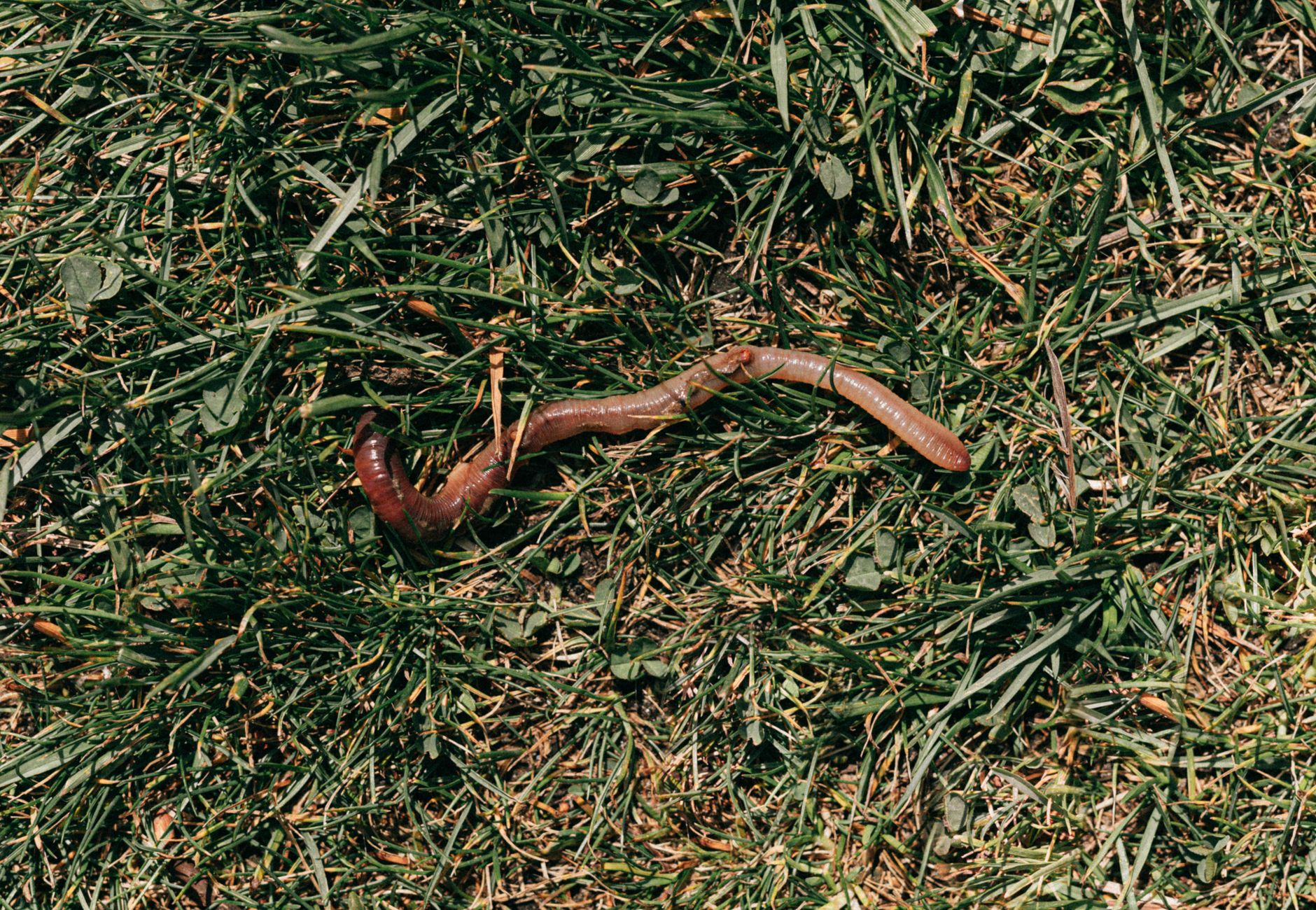 Photo by www.kaboompics.com on Pexels.
What Leachate Actually Is
Leachate is the liquid that drains out the bottom of a compost pile or worm bin. It collects passively, carrying soluble nutrients, organic acids, and whatever microbes happen to wash through. Some of those microbes are beneficial. Many are not. Depending on how anaerobic your pile has gotten, leachate can carry a significant load of pathogens alongside the good stuff.
That does not make it useless. Diluted heavily (at least 10:1 with water) and applied to ornamentals or soil around established trees, it offers a modest nutrient boost. But using it undiluted on edible crops is a risk most serious growers have quietly stopped taking.
Compost Tea Is a Deliberate Process
Brewed aerated compost tea (AACT) is something else entirely. You start with finished, high-quality compost, add it to water with a food source (unsulfured molasses, fish hydrolysate, kelp), and run an aquarium-grade pump or purpose-built brewer through the mixture for 24 to 36 hours. The constant oxygen keeps the environment aerobic. Aerobic conditions select for the organisms you want: bacteria like Pseudomonas and Bacillus species, beneficial fungi, protozoa, and nematodes.
When you brew correctly, microbial counts can reach levels that rival finished compost itself. You are essentially making a liquid extract that carries the biological community of your best compost to every plant in the field.
Here is a simple view of how the two pathways differ:
graph TD
    A[Compost Pile] --> B(Passive Drainage)
    A --> C[Active Brew Setup]
    B --> D[/Leachate/]
    C --> E{Aeration + Feedstock}
    E --> F((Compost Tea))
    D --> G[Dilute before use]
    F --> H[Apply within 4 hours]
The Feedstock Problem Most Growers Ignore
Your tea is only as good as your compost. This point gets glossed over in most tutorials. Immature or anaerobic compost will populate your brewer with the wrong organisms, and all that aeration will simply amplify a bad starting population. Before you brew, your compost should smell earthy, not sour. It should be dark and crumbly. If it smells like a swamp, fix the pile before you run it through a brewer.
Molasses feeds bacteria. Kelp meal and fish hydrolysate tend to support fungal populations. If you are growing crops that prefer a bacterially-dominated soil (most annuals and vegetables), lean on molasses. For perennials, fruit trees, or forest garden plantings, shift the ratio toward fungal feedstocks. Soil ecology is not one-size-fits-all.
Timing and Application Windows
Once brewed, compost tea has a short shelf life. After about four hours off the brewer, oxygen levels drop and the microbial community begins to shift toward anaerobic organisms. Apply it the same morning you brew it. Apply in the early morning or late afternoon to avoid UV light killing surface-applied biology. Foliar applications work well for disease suppression; soil drenches do the heavier work of inoculating root zones.
Leachate has no equivalent urgency. It stores fine, used diluted, over several days. The tradeoff is that the biology is far less predictable.
Which One Should You Use?
For anyone serious about feeding soil biology rather than just adding liquid fertility, aerated compost tea is the better tool. The process requires more intention: a decent brewer, quality compost, food sources, and a strict application window. But the payoff is a targeted inoculation of the organisms that actually break down organic matter, suppress disease, and unlock nutrients already present in your soil.
Leachate has a place. Diluted on fruit trees or established perennial beds where the pathogen risk is lower, it is a reasonable use of what would otherwise drain away from your bin. Treat it as a bonus, not a strategy.
The broader point is this: liquid biology amendments work when you treat the organisms in them as living things that need food, oxygen, and the right conditions to thrive. Get that right, and you are genuinely going beyond organic.
Get Authentic Farming in your inbox
New posts delivered directly. No spam.
No spam. Unsubscribe anytime.