Biochar: The 2,000-Year-Old Soil Amendment That Outperforms Most Modern Inputs
 E. Whitfield
Walk through the Amazon basin and you'll encounter something that puzzled scientists for decades: patches of impossibly dark, fertile soil surrounded by the notoriously thin, nutrient-poor earth typical of tropical rainforests. The indigenous peoples who farmed these regions centuries ago called it terra preta, dark earth. What made it different? Charred organic material, deliberately worked into the ground.
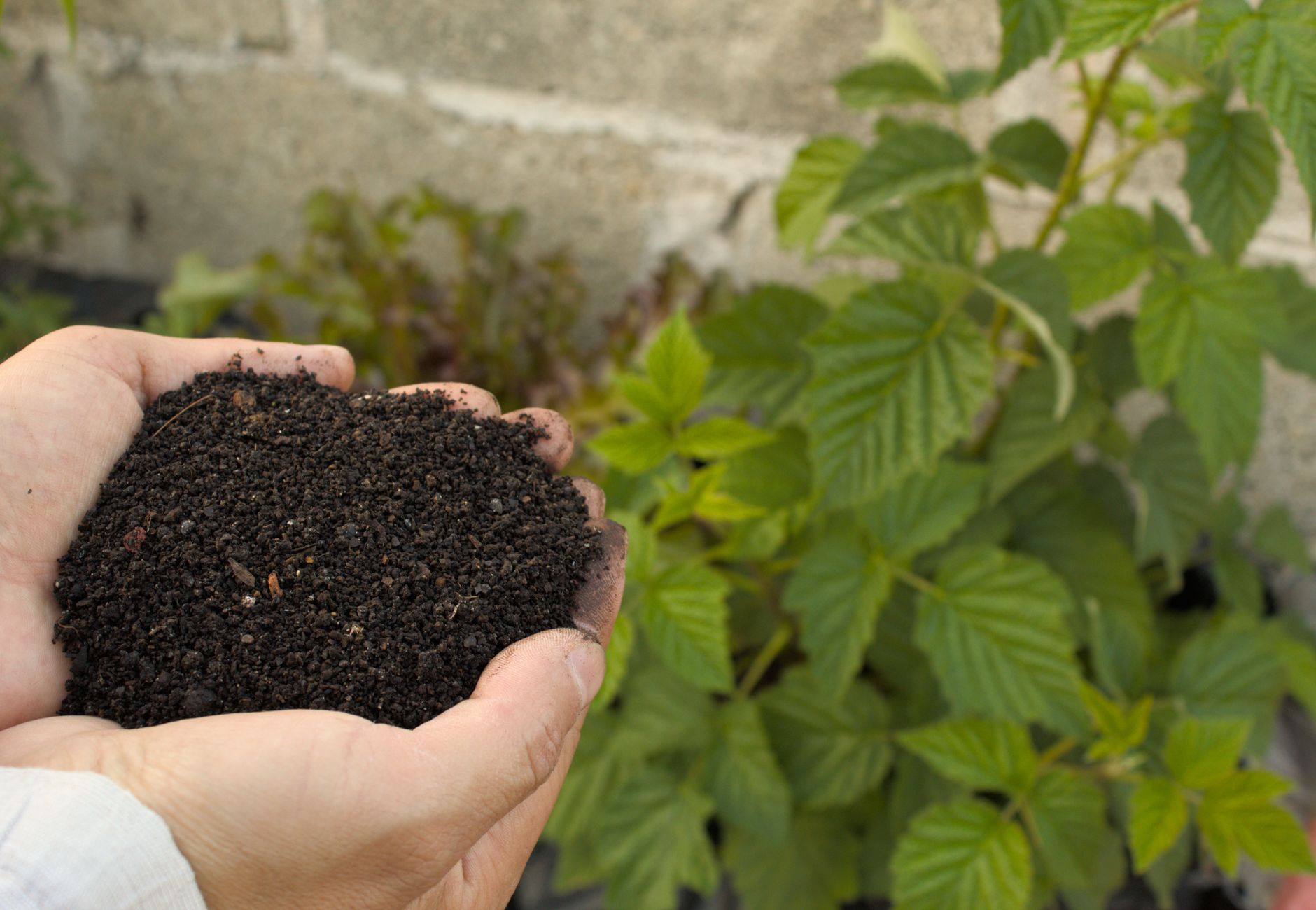 Photo by Juan J. Morales-Trejo on Pexels.
That's biochar. And it works.
What Biochar Actually Is
Biochar is carbon-rich charcoal produced by heating organic material, wood, crop residue, manure, husks, at high temperatures with little to no oxygen. This process, called pyrolysis, drives off the volatile compounds and leaves behind a stable, porous carbon matrix. Unlike regular compost, which breaks down and releases carbon back into the atmosphere over time, biochar resists decomposition. It can persist in soil for hundreds, sometimes thousands, of years.
That persistence is the whole point.
Under a microscope, a single gram of quality biochar reveals a surface area that can exceed 300 square meters. Those tiny pores become housing for soil microbes, a reservoir for water, and a holding site for nutrients that would otherwise leach away. Poor sandy soils stop draining so aggressively. Heavy clay soils start breathing. Either way, plant roots end up with more of what they need, longer.
Why This Matters More Than the Marketing Suggests
Most soil amendments work by adding something, nitrogen, phosphorus, calcium. Biochar does something different: it changes the conditions in which soil life operates. Think of it less as a fertilizer and more as infrastructure for your microbial community.
Research from Cornell, the International Biochar Initiative, and field trials across multiple continents consistently shows that biochar application improves cation exchange capacity (CEC), essentially, soil's ability to hold onto positively charged nutrients like calcium, magnesium, and potassium instead of letting them wash out with rain. Higher CEC means your other inputs, including compost, go further.
In acidic soils, biochar also raises pH, gently, without the bluntness of lime. For growers dealing with chronically sour ground, that's meaningful.
The One Thing Most People Get Wrong: Charging Your Biochar
Here's where a lot of first-timers waste the potential. Raw, freshly made biochar is essentially an empty sponge, and that's a problem. Applied directly to soil, it will absorb nutrients away from your plants as it fills up. You need to charge it first.
Charging means saturating those pores with biology and nutrients before the biochar ever touches your beds. The process isn't complicated:
graph TD
    A[Make or source biochar] --> B(Crush to rice-grain size)
    B --> C[Soak in compost tea or liquid fertilizer 24-48 hrs]
    C --> D{Optional: mix with finished compost}
    D --> E[Let mixture mature 2-4 weeks]
    E --> F[Apply to soil at 5-10% by volume]
Compost tea, worm castings liquid, diluted fish emulsion, even aged urine (high in nitrogen and microbes), all of these work. The goal is to pre-load those pores so your soil doesn't experience a temporary nutrient draw-down after application.
Some growers skip straight to mixing raw biochar into a compost pile and letting it charge passively over a few weeks of active composting. That works too. Slower, but foolproof.
Making Your Own vs. Buying It
You can source biochar from specialty suppliers, look for agricultural-grade products with published surface area and pH data, not landscape-grade charcoal. If you're buying bagged product, avoid anything that smells like lighter fluid or has been treated with accelerants.
Making it yourself on a small scale is entirely possible using a TLUD (top-lit updraft) gasifier or a simple retort setup built from two nested metal barrels. It's satisfying work, and it lets you control feedstock quality. Hardwoods and fruit tree prunings produce excellent char. Avoid anything treated, painted, or pressure-treated with preservatives.
Application Rates and Expectations
Biochar is not a one-season fix. Applied at 5–10% soil volume (roughly 1–2 pounds per square foot worked into the top 6 inches), most growers see modest improvements in year one and progressively better results over three to five years as microbial colonization builds out.
Start with your worst beds, compacted areas, spots with poor drainage, sections where plants have always underperformed. Document your results. This is the kind of amendment that rewards patient observation.
The Long View
We've spent decades reaching for synthetic quick-fixes, burning through soil organic matter, and wondering why yields require ever-increasing inputs just to stay flat. Biochar doesn't promise a miracle. What it offers is something rarer: a way to genuinely improve the ground beneath your feet, not for this season, but for the next generation of farmers who tend the same soil.
That's going beyond organic. That's building something that lasts.
Get Authentic Farming in your inbox
New posts delivered directly. No spam.
No spam. Unsubscribe anytime.