Soil Carbon Sequestration: The Farming Practice That Builds Wealth Underground
 E. Whitfield
Authentic Farming is reader-supported. Some links below are affiliate links, and we may earn a commission on purchases, at no extra cost to you.
Carbon has become a buzzword in policy circles, but farmers who actually work with it see something different: a practical tool for building soil that outperforms anything in a bottle. When you increase soil organic carbon, you change the physical, chemical, and biological properties of the ground beneath your feet. The benefits compound over years in ways that synthetic inputs simply cannot replicate.
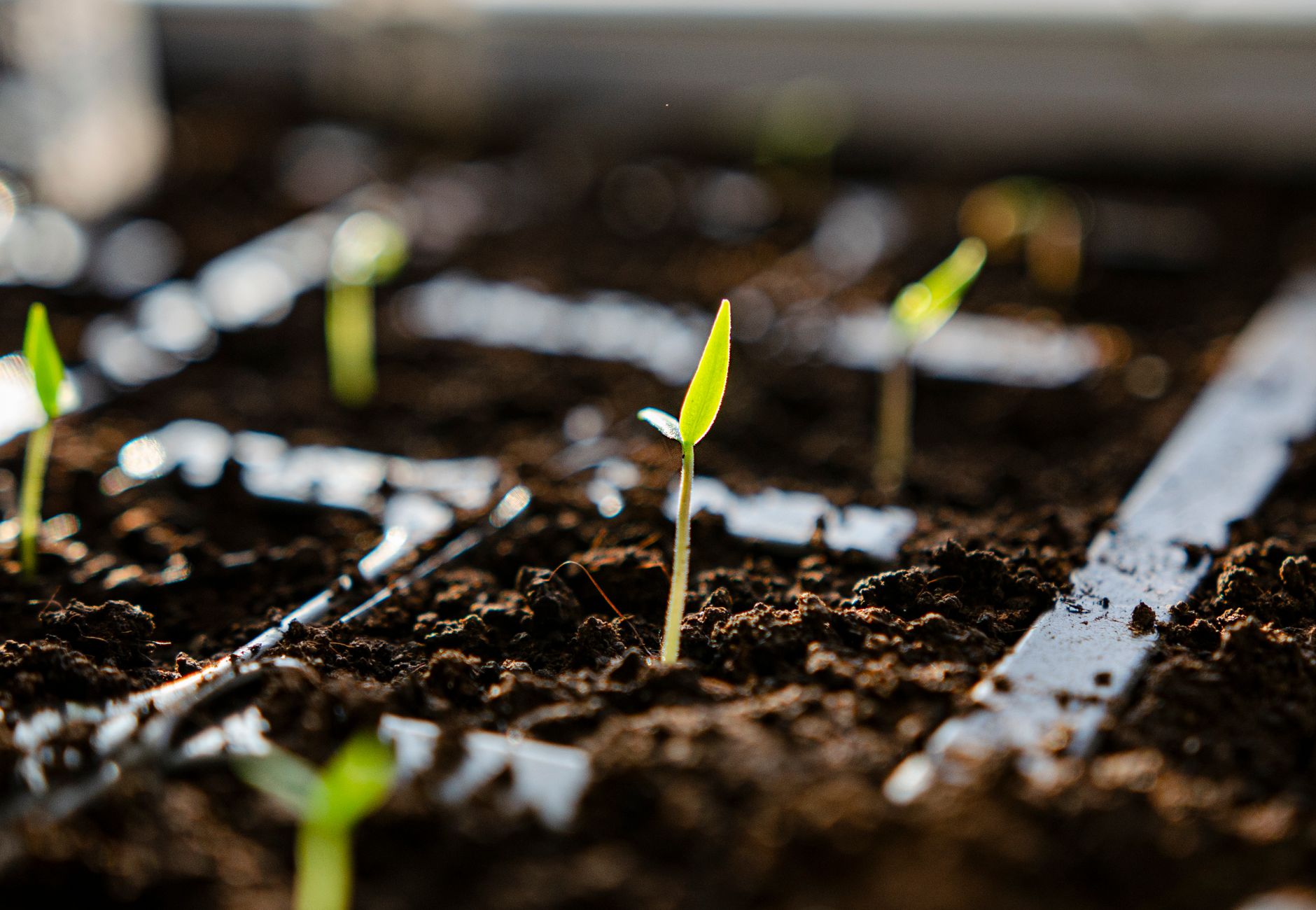 Photo by Piotrek Wilk on Pexels.
So what is soil carbon, exactly, and why does it matter so much?
What Soil Carbon Actually Is
Organic carbon in soil comes primarily from decomposed plant and animal material. Microbes break down organic matter, releasing some carbon as CO2 and incorporating the rest into stable compounds. Humus, microbial biomass, fungal networks, root exudates: all of these represent different pools of carbon stored in the soil profile.
A soil with 1% organic matter holds roughly 0.58% organic carbon by weight. Raise that to 3% organic matter across a six-inch topsoil layer on one acre, and you've sequestered several tons of carbon. More importantly, you've changed the entire character of that soil.
Each percentage point of organic matter holds roughly 20,000 gallons of water per acre. Drought resilience, then, is a carbon story. So is nutrient cycling, compaction resistance, and the buffering capacity that keeps pH from swinging wildly after heavy rain.
How Carbon Gets Into Soil (And How It Leaves)
The entry points are straightforward. Plants photosynthesize atmospheric CO2 and push a significant portion of that captured carbon through their roots as exudates, feeding microbial communities. When those plants die and decompose, or when animals graze and return manure, organic carbon accumulates.
The exit routes are just as important to understand. Tillage is the single fastest way to oxidize soil carbon. When you invert soil, you expose protected organic matter to oxygen and microbial activity spikes. Carbon that took decades to build can oxidize in a single season of aggressive tillage. Bare soil compounds the problem: no living roots means no exudate feeding, no biological activity, and no carbon inputs.
Here's a simplified view of the carbon cycle on a managed farm:
graph TD
    A[Atmospheric CO2] --> B(Plant Photosynthesis)
    B --> C[Root Exudates]
    B --> D[Above-Ground Biomass]
    C --> E{Soil Microbial Community}
    D --> E
    E --> F[Stable Humus]
    E --> G[CO2 Released]
    F --> H((Long-Term Soil Carbon Pool))
The goal is to push as much carbon as possible toward that stable humus pool and away from the release pathway.
Practices That Actually Build Carbon
No-till and reduced-till farming protect existing carbon first. That matters more than most farmers realize. You can add compost all season, but if you're plowing in spring, you're spending faster than you're saving.
Cover crops feed the system year-round. Roots are the delivery mechanism; a living root in the soil at all times means continuous carbon inputs to microbial communities. Deep-rooted species like tillage radish, sorghum-sudan, and crimson clover push carbon into subsoil layers that rarely receive organic inputs otherwise.
Compost and aged manure add both carbon and the microbiology to stabilize it. Raw carbon inputs alone don't guarantee sequestration. The microbes responsible for building stable humus compounds need nitrogen, minerals, and a diverse food web to do their work efficiently.
Biochar deserves a mention here because it operates differently from other carbon sources. Biochar carbon resists decomposition for centuries. Applied at modest rates (half a ton to two tons per acre), it creates stable micropores that house microbial communities and retain water. It doesn't replace biological carbon cycling, but it creates a persistent structural anchor that other organic matter can build around.
Silvopasture integrates trees into pasture systems, adding deep-rooted perennial carbon pumps that function at a completely different timescale than annual crops. Tree roots access subsoil moisture and minerals, cycle nutrients upward, and contribute woody organic matter that breaks down slowly into stable carbon forms.
Measuring Progress
You can't manage what you don't measure. Baseline your soil organic matter with a standard lab test before making changes. Run the same test in the same locations annually, in the same season, for at least three years before drawing conclusions. Organic matter percentages fluctuate seasonally, so consistent timing matters.
Loss-on-ignition (LOI) is the most common test method; LECO combustion analysis is more precise and worth the extra cost on fields where you're making significant inputs. Haney soil health tests add biological activity data that organic matter percentages alone can't capture.
Building soil carbon is slow work. A realistic target is 0.1 to 0.3 percentage points of organic matter per year under good management. That sounds modest until you realize that most conventionally farmed soils are losing carbon each year. Changing direction first, then building, is the real achievement.
Farmers who stick with carbon-building practices long enough stop needing to talk about it in climate terms. The case becomes purely agronomic: better water retention, fewer purchased inputs, higher crop quality, and a farm that becomes more productive with each passing year rather than less.
Get Authentic Farming in your inbox
New posts delivered directly. No spam.
No spam. Unsubscribe anytime.