Intercropping Grains and Legumes: The Pairing That Builds Soil While It Feeds You
 E. Whitfield
Wheat and beans have been grown side by side for thousands of years. Farmers in medieval Europe, pre-colonial Africa, and indigenous North America all figured out the same basic truth: grains and legumes belong together. Somewhere along the way, industrial agriculture decided otherwise. That decision has cost us dearly in soil carbon, input costs, and nutritional density.
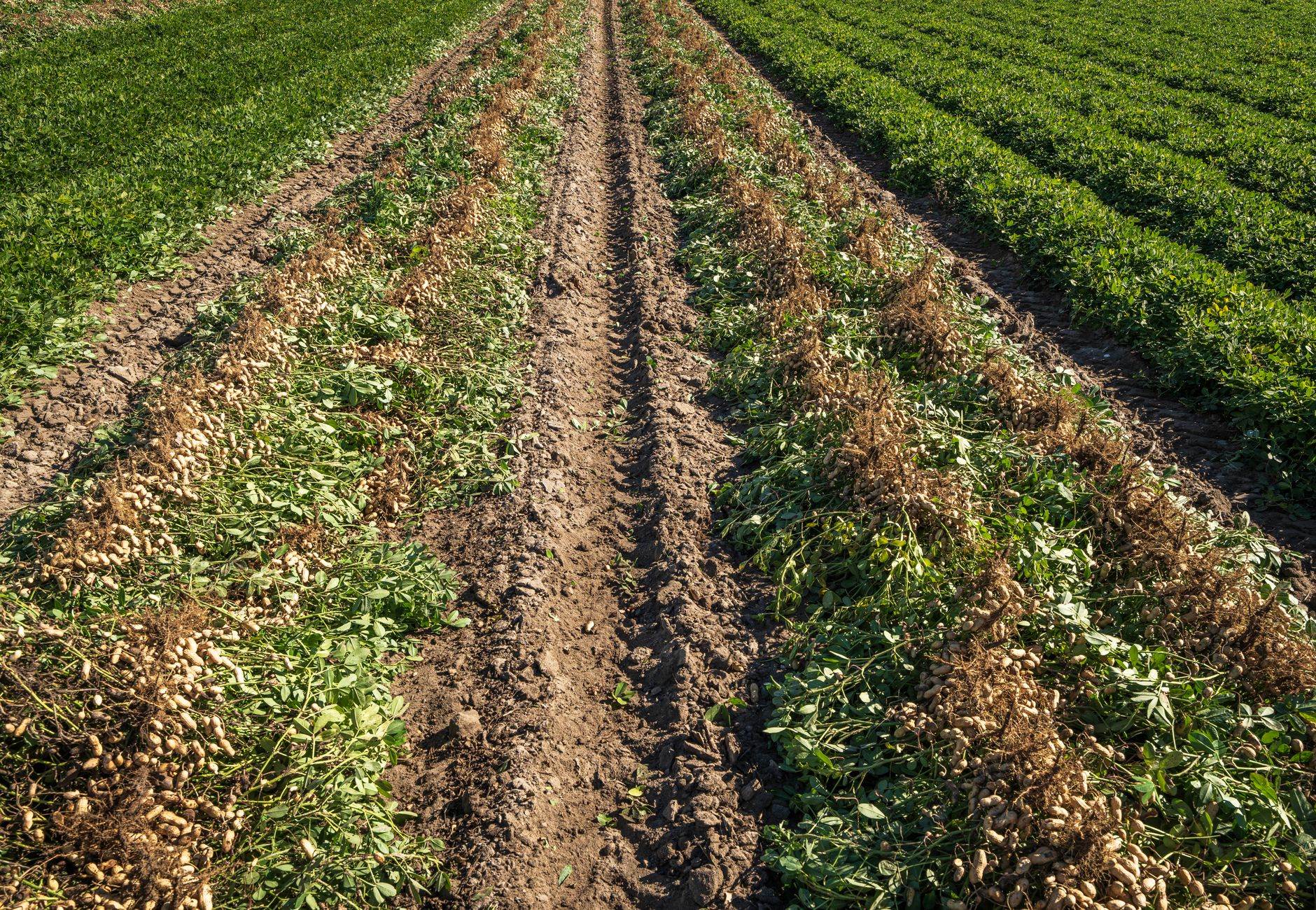 Photo by Mark Stebnicki on Pexels.
Intercropping, growing two or more crops simultaneously in the same field, is one of the most effective tools an organic grower has. Pairing a grain with a legume is the classic combination, and for good reason. Each crop does something the other cannot.
Why the Pairing Works
Grains are heavy nitrogen feeders. Corn, wheat, sorghum, oats: they pull nitrogen from the soil with each passing week. Legumes do the opposite. Through their symbiotic relationship with Rhizobium bacteria, they fix atmospheric nitrogen directly into root nodules, releasing it into the surrounding soil as they grow and die back.
When you plant the two together, the legume becomes a slow-release nitrogen source right where the grain needs it. No synthetic fertilizer required. In well-managed corn and bean intercrops, researchers have measured nitrogen contributions from the legume component ranging from 40 to over 200 kilograms per hectare, depending on species, soil conditions, and row arrangement. That is a meaningful displacement of bag fertilizer.
But nitrogen is only part of the story.
Grains and legumes also occupy different ecological niches in the field. Tall-stalked grains shade the canopy while deep-rooted legumes work the lower soil profile. The result is better light interception across the whole system, reduced weed pressure (two crops covering the ground leave less space for weeds to establish), and a more complex root zone that feeds a wider range of soil microbes.
Practical Arrangements
Row intercropping is the most manageable approach for most farms. Plant alternating rows of your grain and legume, or group them in strips wide enough to accommodate your equipment. Strip widths between 1.5 and 6 meters are common, with narrower strips generally increasing the biological interaction between species.
For market gardens and small operations, mixed-stand intercropping works well: broadcasting or drilling both seeds into the same bed at reduced individual seeding rates. Corn and climbing beans (the foundation of the Three Sisters system alongside squash) are forgiving to manage this way. Field peas and oats together make an excellent spring cover that you can terminate for compost or harvest as a dual forage and grain crop.
Here is a simplified view of how the system cycles nutrients:
graph TD
    A[Atmospheric Nitrogen] --> B(Legume Root Nodules)
    B --> C[Soil Nitrogen Pool]
    C --> D[Grain Uptake]
    C --> E[Soil Microbial Community]
    E --> F[Organic Matter]
    F --> C
The loop matters. Soil microbes fed by root exudates from both crops process organic matter and keep nitrogen cycling. Each year the system runs, soil biology compounds.
Choosing Your Pairs
Not every grain-legume combination performs equally. A few pairings worth considering:
- Corn and cowpeas: Excellent for warm climates. Cowpeas tolerate drought and fix nitrogen aggressively. They also suppress weeds under the corn canopy once established.
- Oats and field peas: A classic cold-season pair. Both establish quickly in spring, suppress weeds effectively, and terminate easily before they compete.
- Sorghum and soybeans: A heat-tolerant combination for the South and Midwest. Sorghum's deep roots break up compacted subsoil while soybeans fix nitrogen at the surface.
- Wheat and hairy vetch: Vetch winterkills in many climates, leaving a nitrogen-rich mulch ahead of spring planting. Where it overwinters, it fixes nitrogen through the cold months.
Match your pairs to your climate, your equipment, and your harvest goals. If you need a grain crop for sale, choose a legume companion that terminates before harvest or is easy to separate at the combine. If you are growing purely for soil building, the mix can be more relaxed.
What You Are Actually Building
Every season of intercropping deposits more organic matter than a single-crop stand would. Two root systems mean twice the exudates feeding mycorrhizal fungi and bacterial communities. Two above-ground canopies mean more residue returned to the surface after termination.
Over three to five years, growers running grain-legume intercrops consistently report measurable increases in soil organic matter, reduced fertilizer requirements, and more stable yields across weather extremes. The biology builds a buffer. Drought years hurt less. Wet years recover faster.
This is what going beyond organic looks like in practice: not just avoiding synthetic inputs, but building systems that require fewer inputs with every passing season. The grain feeds the table. The legume feeds the soil. Neither one does the whole job alone.
Get Authentic Farming in your inbox
New posts delivered directly. No spam.
No spam. Unsubscribe anytime.