Cover Crops: The Cheapest Soil Insurance You're Probably Not Using
 E. Whitfield
Authentic Farming is reader-supported. Some links below are affiliate links, and we may earn a commission on purchases, at no extra cost to you.
Most soil problems are slow-motion disasters. Erosion, compaction, biological collapse, they don't announce themselves. You just notice, over years, that your yields are flatter, your inputs are higher, and your ground looks a little more tired each spring.
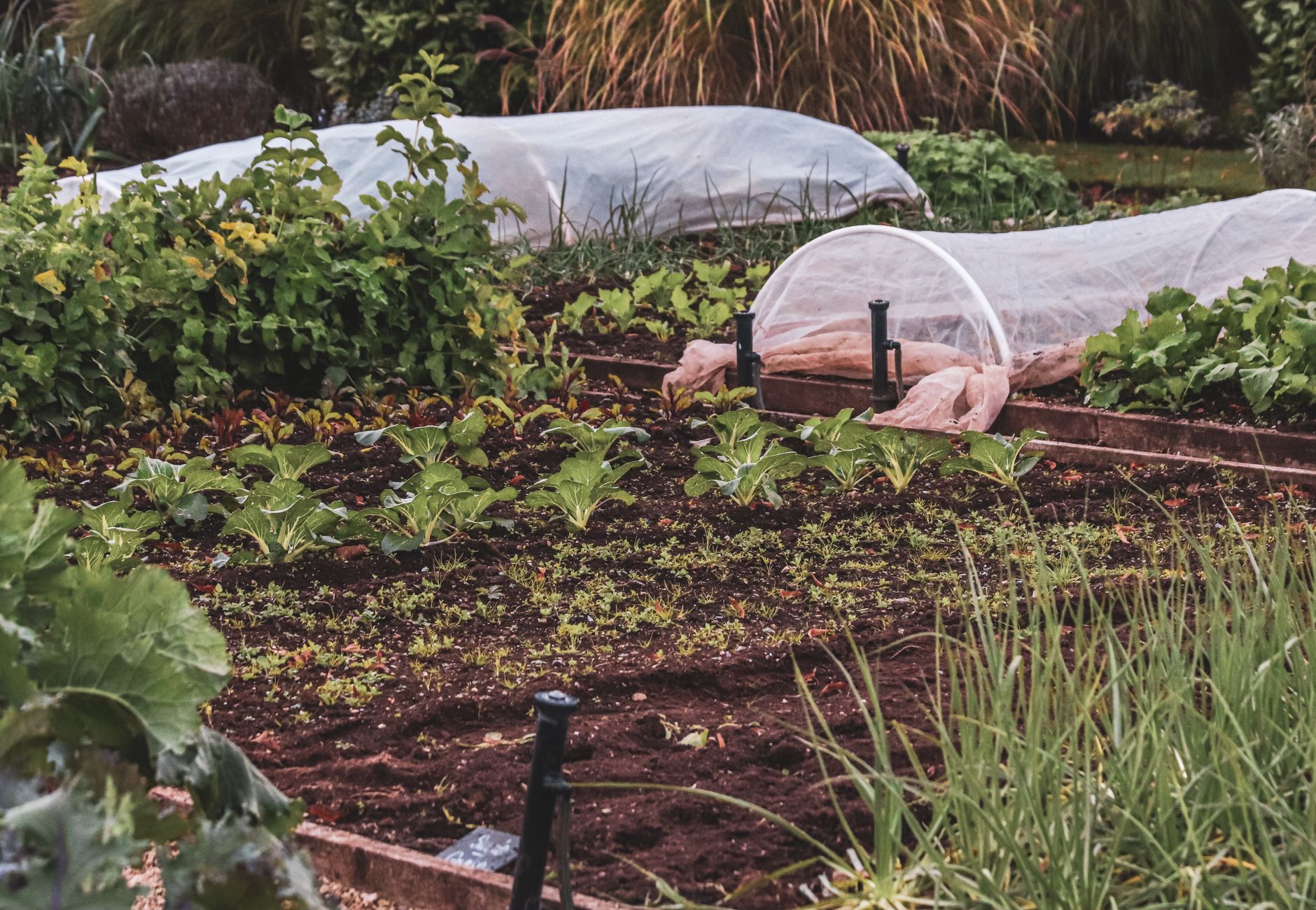 Photo by Boys in Bristol Photography on Pexels.
Cover crops won't fix everything. But planted consistently, in the right combinations, they will do more for your soil than almost any amendment you can buy.
What a Cover Crop Actually Does
Plant a living root in the ground and something immediate happens: the soil wakes up. Roots exude sugars and amino acids, a constant feed for the microbial community living in the rhizosphere. Bare soil starves those microbes. A cover crop keeps them working.
That's the part most people skip over. They focus on the nitrogen numbers from a legume and ignore the biology underneath. But the biology is the point. Fertile soil isn't a chemical stockpile; it's a living system, and cover crops are one of the most reliable ways to keep it fed between cash crops.
Beyond biology, cover crops:
- Break compaction, deep-rooted species like tillage radish and cereal rye fracture hardpan that tillage can't reach
- Fix atmospheric nitrogen, a well-managed hairy vetch or crimson clover stand can contribute 100–200 lbs of nitrogen per acre before termination
- Suppress weeds, dense canopy coverage outcompetes early germination without herbicide
- Prevent erosion, a six-inch mat of winter rye holds topsoil through rain and snowmelt that would strip bare ground clean
Choosing Your Mix
Single-species cover crops have their place, but multi-species mixes earn their complexity. Different root depths, different canopy heights, different carbon-to-nitrogen ratios, a four- or five-way mix deposits a layered contribution into your soil that a monoculture of annual ryegrass simply can't.
Here's a starting framework by goal:
graph TD
    A{Your Primary Goal} --> B[Nitrogen Fixation]
    A --> C[Compaction Relief]
    A --> D[Weed Suppression]
    A --> E[Biomass / Organic Matter]
    B --> F(Hairy Vetch, Crimson Clover, Field Peas)
    C --> G(Tillage Radish, Turnip, Cereal Rye)
    D --> H(Winter Rye, Sorghum-Sudan, Buckwheat)
    E --> I(Cereal Rye, Oats, Sunflower)
That said, don't overthink it. A simple cereal rye and hairy vetch blend, drilled at the right time, will outperform a fancy ten-species mix planted two weeks late.
Timing Is Everything
Early termination matters more than most growers expect. Legumes fix the bulk of their nitrogen right before flowering, let them bloom, then terminate. Wait too long and the plant pulls nitrogen back into its seed. You've just lost half the value.
For spring-planted cash crops, terminating cover crops 2–3 weeks before planting gives the residue time to begin breaking down and, critically, allows allelopathic compounds from cereal rye to dissipate. Rye produces natural growth suppressants that will stunt your corn or vegetable seedlings if you plant directly into fresh residue.
Roll-crimp termination, where cover crops are crimped flat with a rolling attachment and left as a mulch mat, is one of the best no-till strategies available for organic systems. It locks moisture, feeds soil biology, and keeps the mulch layer intact, all without herbicide or tillage.
A Few Honest Cautions
Cover crops can tie up nitrogen temporarily when high-carbon residues decompose. Cereal rye with a C:N ratio above 25:1 will pull available nitrogen from the soil as it breaks down, right when your transplants need it most. Time your termination, and if you're seeing yellowing in early-season crops, you're probably not waiting long enough before planting.
Water competition is real in dry climates. A thick stand of rye going into a dry spring can deplete soil moisture fast. Know your region.
None of these are reasons to avoid cover crops. They're reasons to pay attention, which is what good farming asks of you anyway.
The Bigger Picture
Organic certification bans synthetic inputs. That's necessary, but it's not enough. A certified organic farm that leaves ground bare for six months between crops and relies on purchased amendments isn't farming the soil, it's mining it more slowly.
Cover crops close that gap. They're how you keep biological capital compounding between harvests instead of drawing it down season after season.
Plant something. Keep the ground covered. Let the roots do work you'd otherwise have to pay for.
That's not a shortcut, it's the longer view.
Get Authentic Farming in your inbox
New posts delivered directly. No spam.
No spam. Unsubscribe anytime.