Mob Grazing: The Livestock Management Method That Rebuilds Pasture Faster Than Any Fertilizer
 E. Whitfield
Most farmers who run livestock on pasture are quietly mining their land. They don't mean to. But continuous grazing, or even rotational grazing done sloppily, pulls more from the soil than it puts back. Plants get bitten down before their roots recover. Bare patches appear. Weeds move in. And every year, the carrying capacity drops a little more.
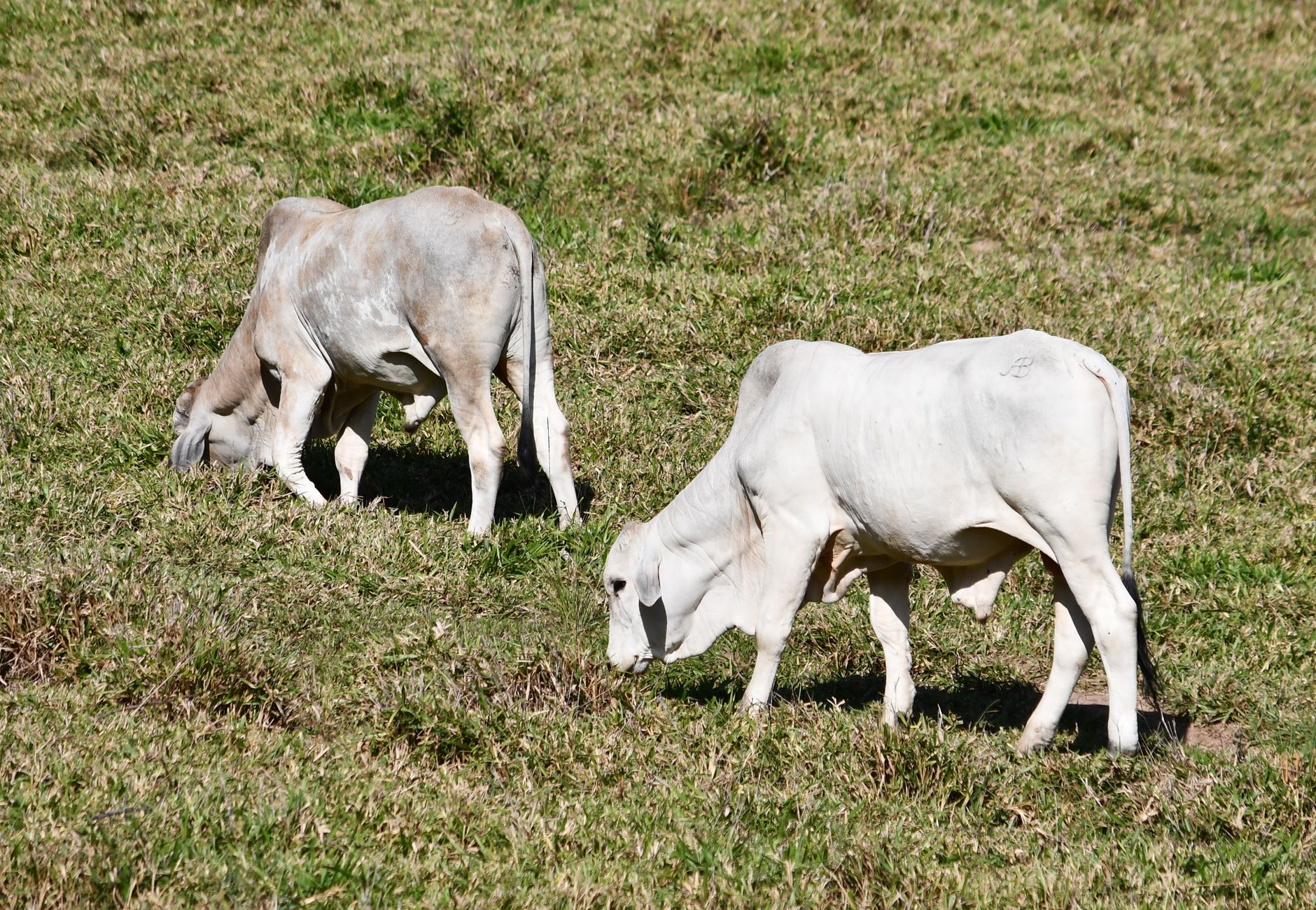 Photo by Jose Augusto Galdini on Pexels.
Mob grazing is the antidote. And once you understand the biology behind it, you can't unsee what conventional grazing is actually doing to the land beneath your feet.
What Mob Grazing Actually Is
The concept draws from how wild ruminants behave on open grassland. Think of bison on the Great Plains or wildebeest crossing the Serengeti. Vast herds compressed into tight groups, moving fast, hitting a piece of ground hard, and then leaving it completely. The land they grazed recovered for weeks or months before they returned.
Mob grazing replicates that pattern deliberately. You run a high density of animals (sometimes 500,000 pounds of live weight per acre for short periods) on a small paddock for anywhere from a few hours to a couple of days. Then you move them. The grazed paddock rests, often for 60 to 120 days depending on your climate and season.
That rest period is where the real work happens.
Why the Rest Period Rebuilds Soil
When grass is grazed hard and then left alone, several things happen simultaneously. Roots that were severed by heavy grazing die back and decompose underground, feeding soil microbes and adding organic matter directly to the root zone. New growth pushes up from the plant's energy reserves, which were protected because the animals moved off before stripping the plant entirely.
The hoof action matters too. High animal density punches organic matter (trampled forage, dung, urine) into the soil surface rather than leaving it to slowly decompose on top. That contact between fresh organic material and soil biology accelerates decomposition and builds the microbial communities that turn raw matter into stable humus.
Over several grazing seasons, farmers consistently report:
- Increased water infiltration as soil structure improves
- Higher brix readings in forage grasses, indicating denser nutrition
- Reduced bare ground as perennial grasses outcompete weeds
- Lower parasite loads in livestock, since larvae don't survive long rest periods
None of that comes from an input. It comes from timing.
Setting Up a Mob Grazing System
The logistics require more planning than set stocking, but the infrastructure is simpler than most people expect. Portable electric fencing and a reliable water system are the two non-negotiables.
graph TD
    A[Divide Pasture into Paddocks] --> B(Move Herd to Paddock 1)
    B --> C{Paddock Grazed to Target Height?}
    C -->|Yes| D(Move Herd to Paddock 2)
    C -->|No| B
    D --> E[Paddock 1 Enters Rest Period]
    E --> F(Monitor Recovery: 60-120 Days)
    F --> B
How many paddocks you need depends on your rest period target and how long animals stay on each one. A 90-day rest with two-day moves means you need roughly 45 paddocks. That sounds like a lot. In practice, temporary polywire subdivisions inside permanent perimeter fencing get you there without major capital investment.
Water is the piece that trips most people up. Your water system needs to reach wherever the animals are, which means either a permanent water line with multiple access points or a portable tank you move with the herd. Skimping here means your animals won't graze the paddock evenly, and the whole system breaks down.
What to Expect in Year One
Honesty here: year one often looks worse before it looks better. Pastures that have been continuously grazed are adapted to that pressure. Transitioning them to mob grazing reveals the damage that was already there. Bare patches don't fill in overnight. Soil biology that's been suppressed for years takes time to wake up.
By year two, the shift usually becomes visible. Grass species composition starts to change. Forbs and legumes return. Soil tests begin showing organic matter gains. Farmers who stick through the awkward first season almost universally report they'd never go back.
Mob grazing rewards patience and close observation. Walk your paddocks after each move. Watch how the grass recovers. Adjust your rest periods based on what you see, not a fixed calendar. The land will tell you what it needs if you're paying attention.
This approach asks more of the farmer than buying a bag of fertilizer and spreading it. The payoff is a pasture that genuinely improves every year, livestock that perform well on grass alone, and soil that holds water and sequesters carbon without any outside inputs. That's what going beyond organic actually looks like on the ground.
Get Authentic Farming in your inbox
New posts delivered directly. No spam.
No spam. Unsubscribe anytime.