Silvopasture: The Ancient Land-Use System That Grows Trees, Raises Animals, and Builds Soil Simultaneously
 E. Whitfield
Authentic Farming is reader-supported. Some links below are affiliate links, and we may earn a commission on purchases, at no extra cost to you.
Most farmers treat trees and pasture as competing interests. Clear the trees, graze the field. Or plant the trees, fence out the animals. Silvopasture says that framing is wrong, and centuries of practice back that up.
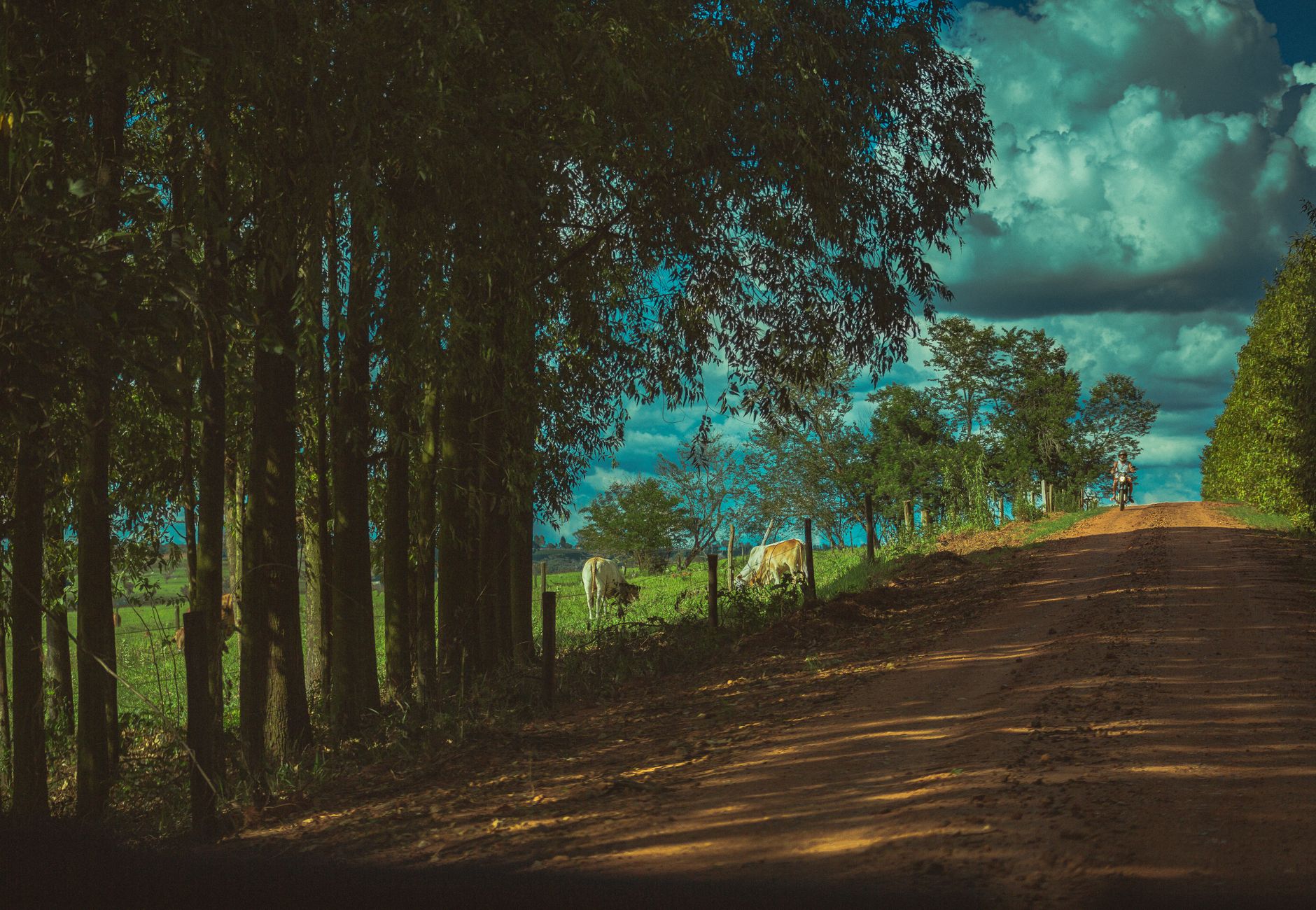 Photo by Lucas Pezeta on Pexels.
Silvopasture deliberately combines trees, forage crops, and grazing animals on the same land. The interactions between all three are where the real productivity happens. Shade from trees reduces heat stress in livestock. Deep tree roots mine subsoil minerals and cycle them to the surface through leaf litter. Animal manure fertilizes the trees. The soil biology underneath all of it compounds year over year.
This isn't a niche concept invented by permaculture enthusiasts in the 1970s. Traditional farmers across Europe, South America, and Asia have managed silvopasture systems for hundreds of years. The Spanish dehesa, where pigs forage under cork oak and holm oak, produces some of the most nutrient-dense pork on earth. The animals eat acorns, roots, and grasses while the trees stay productive for centuries. That system is still running today.
Why Trees Change the Soil Equation
Pasture soils under continuous sun and hoof pressure tend toward compaction. Tree integration interrupts that cycle in several ways.
Root depth is the first factor. Grasses typically root 12 to 24 inches deep. Mature hardwoods go 6 to 20 feet or more. Those deep roots access water and minerals that shallow root systems never touch, then deposit them at the surface when leaves fall and decompose. Calcium, magnesium, and trace minerals cycle upward instead of leaching downward.
The second factor is organic matter input. A single mature oak can drop several hundred pounds of leaves per year. That material feeds soil fungi, earthworms, and bacteria at volumes that grass alone rarely achieves. Mycorrhizal networks extend from the tree roots outward through the pasture, connecting with grass root systems and moving water and nutrients across the whole stand.
Shade keeps soil temperatures lower in summer, slowing moisture evaporation and protecting the microbial communities that die off in baked, cracked earth. Measured soil organic matter under established silvopasture systems frequently runs one to three percentage points higher than adjacent open pastures managed the same way in every other respect.
Setting Up a Silvopasture System
The setup sequence matters. Plant trees before you add grazing pressure, not after.
graph TD
    A[Select tree species for climate and goals] --> B[Plant trees in rows or clusters]
    B --> C(Protect young trees with fencing or tubes)
    C --> D{Trees established? 3-5 years}
    D -->|No| C
    D -->|Yes| E[Introduce rotational grazing between rows]
    E --> F(Monitor soil compaction near tree drip lines)
    F --> G[Adjust stocking density and rotation timing]
Tree spacing depends on your goals. Rows 40 to 60 feet apart leave enough room for hay equipment if you're cutting forage between passes. Tighter spacing at 20 to 30 feet works for smaller operations running only grazing animals. Species selection should match your region and your livestock. Nut trees (chestnuts, hazelnuts, oaks) add high-energy browse and mast. Fruit trees add seasonal forage. Nitrogen-fixing species like black locust or honey locust fertilize the surrounding soil and provide high-protein forage.
Protect young trees from browse pressure for the first three to five years. Tube guards or electric fencing around individual trees keeps animals out until bark is thick enough to handle incidental contact. Once trees reach fence-post diameter, most livestock lose interest in stripping bark.
Rotational grazing remains essential inside a silvopasture system. Continuous grazing will compact the soil around tree root zones and destroy the understory plant diversity that makes the whole system productive. Move animals before forage drops below three inches of residual cover.
The Carbon and Resilience Case
Silvopasture sequesters carbon in two places simultaneously: woody biomass above ground and soil organic matter below. Peer-reviewed estimates put the sequestration rate at 1.5 to 3.5 tons of carbon per acre per year in established systems, which outpaces most other agricultural practices by a significant margin.
Beyond carbon numbers, the resilience argument is practical and immediate. During the 2012 drought in the American Midwest, open pastures burned brown by July. Silvopasture farms in the same counties reported livestock grazing green forage into September under tree canopy where soil moisture held. That's not a rounding error. That's the difference between destocking and staying solvent.
If your operation runs cattle, sheep, pigs, or poultry, the land can almost certainly support trees alongside them. The question isn't whether the system works. Three hundred years of dehesa and a growing body of modern research settled that. The question is which species you plant first.
Get Authentic Farming in your inbox
New posts delivered directly. No spam.
No spam. Unsubscribe anytime.