Rotational Grazing vs. Continuous Grazing: What the Soil Data Actually Shows
 E. Whitfield
Most grazing land in North America is managed the same way it has been for a century: animals on pasture, pasture gets eaten, repeat. Continuous grazing is simple, and simplicity has real value. But simplicity is costing a lot of farmers their topsoil.
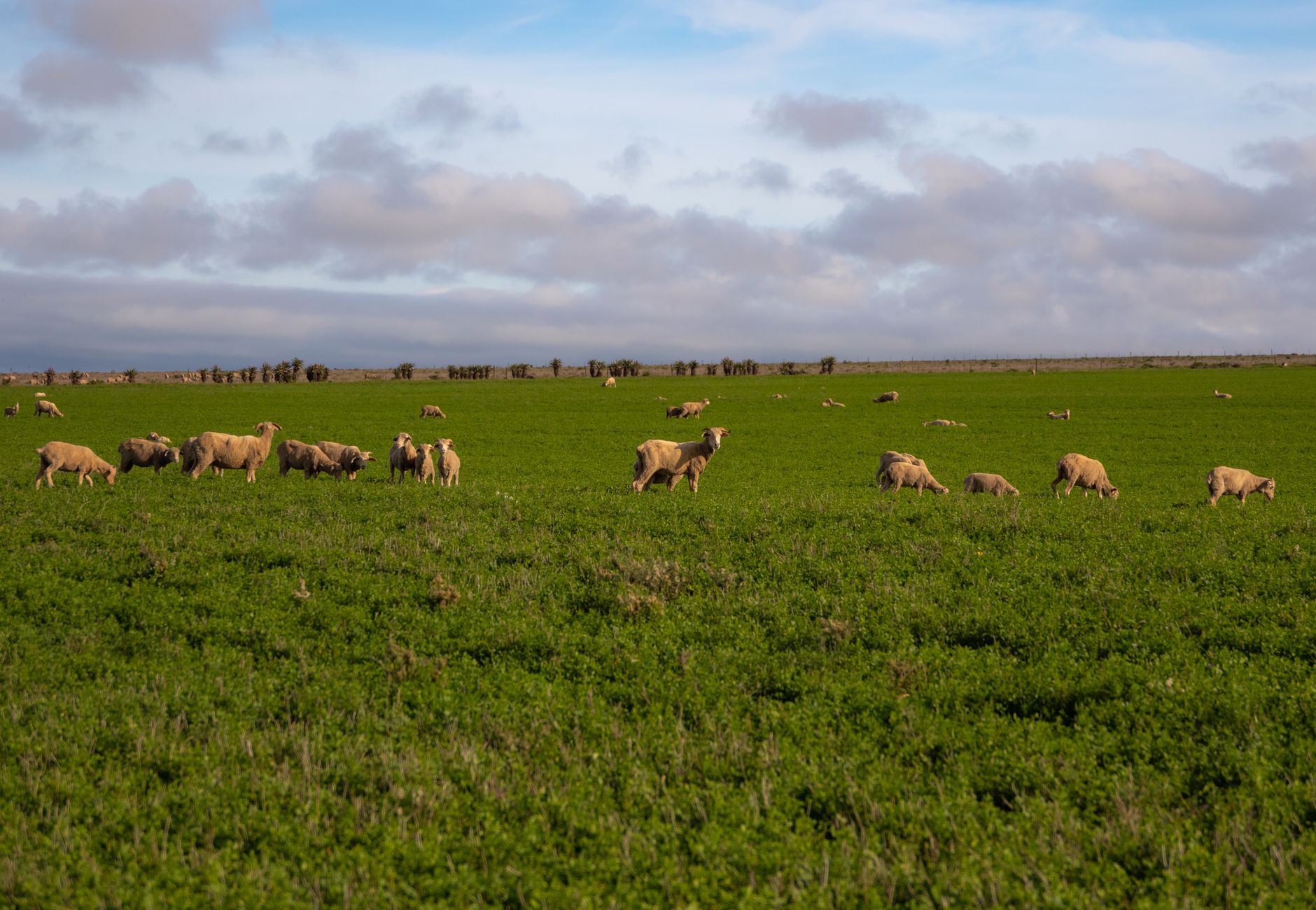 Photo by Magda Ehlers on Pexels.
Rotational grazing moves animals through a series of paddocks on a timed schedule, letting each section rest and recover before livestock return. That rest period is where everything interesting happens.
What Recovery Actually Does to a Pasture
Grass plants photosynthesize most aggressively in the middle third of their growth cycle. Graze them too short and you starve the root system. Let them grow too tall and they shift energy toward seed production instead of root mass. Rotational grazing keeps plants in that sweet spot consistently, paddock by paddock, across the whole season.
Below ground, the difference shows up fast. A 2016 study published in Agriculture, Ecosystems & Environment compared soil organic carbon across continuously grazed and rotationally grazed sites in the Northern Great Plains. Rotationally managed pastures showed 13 to 19 percent higher soil carbon in the top 30 centimeters after just five years. Root biomass was higher. Aggregate stability was higher. Water infiltration rates were nearly double in some plots.
Double. That matters enormously in drought years.
The Trampling Piece Nobody Talks About
High-density, short-duration grazing does something else worth understanding: it presses plant material into the soil surface. Hooves break up soil crusting, work organic matter into the top layer, and stimulate soil microbial populations through the simple act of disturbance.
This is why mob grazing (very high density, very short duration) can accelerate litter decomposition even in semi-arid climates where breakdown is typically slow. The soil biology gets jumpstarted by impact, not just by the organic matter itself.
Continuous grazing rarely achieves this. Animals spread out, graze selectively, avoid their own waste areas, and return to favored spots repeatedly. You get overgrazing in some zones and rank, unpalatable growth in others. Neither produces the uniform soil contact that drives decomposition.
A Simple Planning Framework
Setting up a rotational system doesn't require GPS mapping software or a consultant. The math is straightforward once you know three numbers: your herd size, your estimated forage production per acre, and your target rest period.
For most temperate climates, a 30 to 60 day rest period between grazing events is a reasonable starting point. Divide your total pasture acreage into enough paddocks to allow that rest while keeping animals on fresh ground. Temporary electric fencing makes this flexible enough to adjust as the season shifts.
graph TD
    A[Paddock 1: Graze] --> B[Paddock 2: Rest - Week 1]
    B --> C[Paddock 3: Rest - Week 2]
    C --> D[Paddock 4: Rest - Week 3]
    D --> E[Paddock 5: Rest - Week 4]
    E --> A
Watch your grass height, not the calendar. Move animals in when forage reaches 8 to 12 inches (species-dependent) and move them out before they graze below 3 to 4 inches. Those numbers protect root reserves and give the plant enough leaf area to recover quickly.
Where Continuous Grazing Still Makes Sense
Fair is fair: continuous grazing works reasonably well on small acreages with very low stocking density. If you have two beef cattle on 20 acres of diverse native pasture, you may not be causing the kind of damage that rotational grazing is designed to fix. Overgrazing is a function of animal density relative to forage production, and some operations simply don't push that ratio hard enough to see degradation.
But most commercial operations do. And as stocking density climbs, the compounding benefits of rotational management grow proportionally.
The Long Game
Building a high-performing pasture takes years. Soil carbon accumulates slowly. Perennial root systems deepen over multiple seasons. Earthworm populations track organic matter over time, not over weeks.
The farmers who see the biggest results from rotational grazing are the ones who treat their rest periods as sacred. No sneaking animals back in early because the far paddock looks good. No extending grazing time because moving animals is inconvenient that week. The recovery window is the product. Protect it.
Grazing management is soil management. Every rotation is a deposit into the land's long-term account. Continuous grazing withdraws from that account without making deposits, and eventually the balance shows.
Get Authentic Farming in your inbox
New posts delivered directly. No spam.
No spam. Unsubscribe anytime.