Nitrogen Fixation Without the Bag: How to Feed Your Farm With Living Biology
 E. Whitfield
Every bag of synthetic nitrogen fertilizer carries a hidden cost most farmers don't calculate: the energy required to produce it. The Haber-Bosch process, which converts atmospheric nitrogen into plant-available ammonia, consumes roughly 1-2% of the world's total energy supply each year. You pay for that at the farm gate, and the soil pays for it in compaction, acidification, and microbial die-off over time.
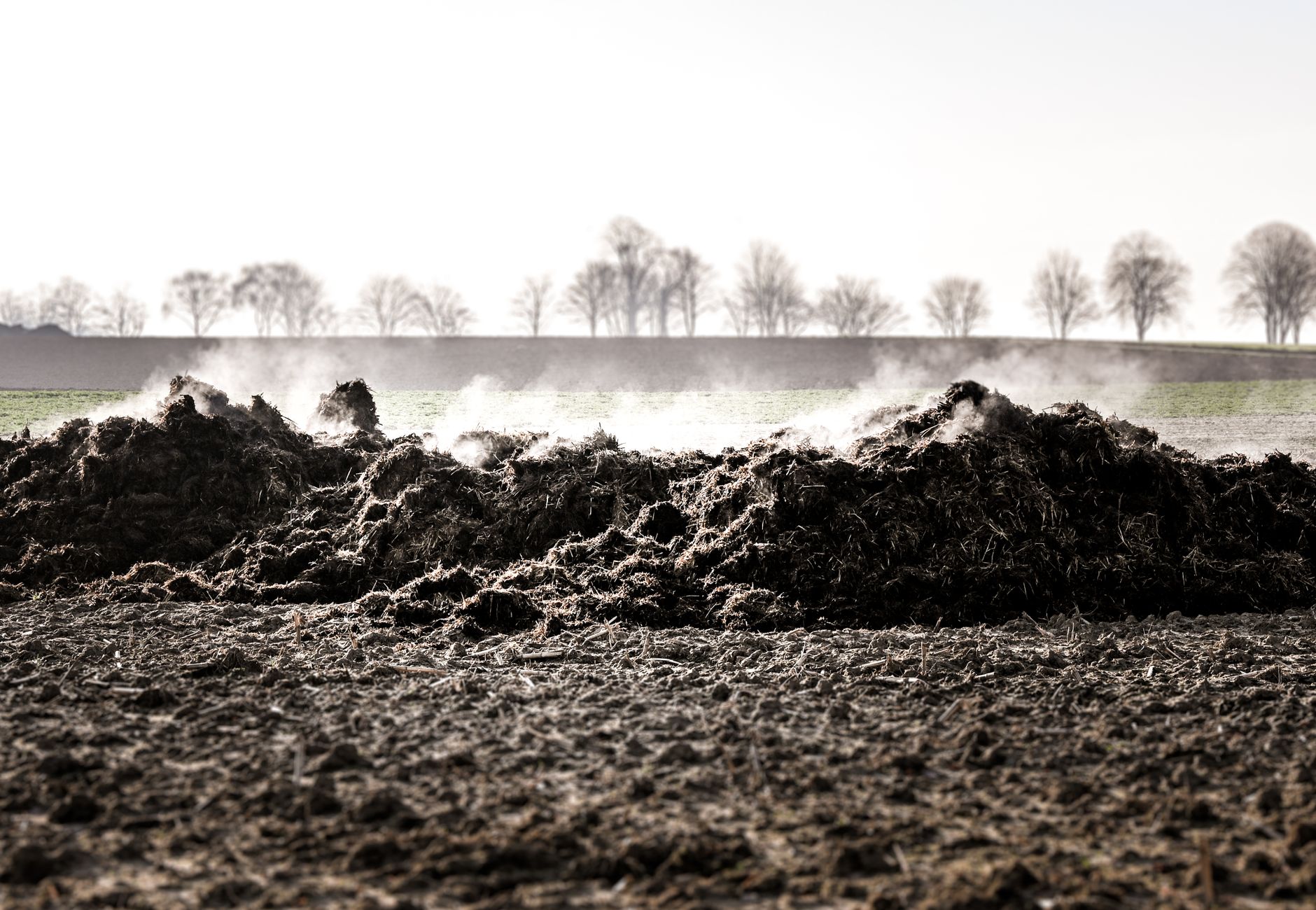 Photo by Lorna Pauli on Pexels.
There's another way. Atmospheric nitrogen makes up 78% of the air above your fields. Microorganisms have been converting that gas into plant food for hundreds of millions of years. The question isn't whether biological nitrogen fixation works. The question is whether your farm is set up to take advantage of it.
The Two Pathways Worth Knowing
Symbiotic fixation is the headline act. Legume crops (clover, vetch, beans, peas, alfalfa) form partnerships with Rhizobium bacteria, which colonize their roots and build the pink, nodule-covered root systems you've probably seen when you pull a cover crop. A well-nodulated stand of hairy vetch can fix 90 to 200 pounds of nitrogen per acre over a single season. That's a real number. It replaces a significant fertilizer application without a single pass of the spreader.
Free-living fixers are the quieter story. Bacteria like Azotobacter, Azospirillum, and Clostridium work independently in the soil, fixing nitrogen without a plant host. They won't hit those vetch numbers, but they contribute a steady background supply, particularly in soils rich in organic matter. Feeding these organisms is simple: keep carbon in the soil, minimize tillage, and stop applying fungicides broadly. They're already there. Most conventional practices just suppress them.
Why Your Legumes Might Be Underperforming
Poor nodulation is one of the most common problems on farms transitioning away from synthetic inputs, and it's almost always fixable. A few causes worth checking:
Wrong inoculant or no inoculant. Rhizobium strains are host-specific. The bacteria that work with clover won't colonize soybeans effectively. If you haven't grown that legume species on a field in several years, inoculate the seed before planting. Fresh inoculant, stored cold, applied at seeding. This single step routinely doubles nodulation rates.
Soil pH below 6.0. Rhizobia are sensitive to acidity. A pH of 5.5 can cut nodulation by half even with good inoculant. Lime is not exciting, but it's often the missing piece.
Excess available nitrogen. This one trips people up. When the soil already has plenty of nitrate, the legume stops investing in the symbiosis. Apply nitrogen fertilizer ahead of a legume cover crop and you'll pay for inputs that suppress the biology you're trying to build. Let the field run lean and the partnership activates.
graph TD
    A[Atmospheric N2] --> B(Rhizobium in Root Nodule)
    A --> C(Free-Living Bacteria in Soil)
    B --> D[Ammonia NH3]
    C --> D
    D --> E[Plant-Available Nitrogen]
    E --> F(Crop Uptake)
    E --> G[Soil Organic Matter]
Building the System Over Time
One cover crop season won't replace your fertilizer program. That's an honest statement, and anyone who tells you otherwise is selling something. What a consistent rotation does is accumulate. Each legume crop leaves behind root exudates, residue, and improved microbial populations. Over three to five years, farms that rotate legumes aggressively, reduce tillage, and maintain soil cover typically see measurable reductions in fertilizer demand.
The rotation doesn't need to be complicated. Winter rye terminated in spring, followed by a summer cash crop, followed by crimson clover or a legume-heavy cover mix before winter. Repeat. That sequence alone, managed consistently, delivers meaningful nitrogen across a full calendar year.
Grazing legume cover crops with livestock accelerates the cycle. Animals concentrate nutrients, deposit manure, and stimulate root regrowth. The nitrogen fixed in a grazed legume stand becomes plant-available faster than nitrogen tied up in a rolled cover crop. If you have access to livestock, even custom grazing arrangements with a neighbor, use them.
What You're Actually Building
Synthetic nitrogen feeds the plant. Biological nitrogen feeds the soil first, and then the plant. Rhizobia, free-living fixers, mycorrhizal networks, and decomposers all interact in ways that accumulate over seasons rather than disappearing between purchases.
The farms getting this right aren't doing anything exotic. They're growing legumes deliberately, protecting soil biology with less disturbance and fewer broad-spectrum inputs, and giving the system enough time to show what it can do.
That's the work. No bag required.
Get Authentic Farming in your inbox
New posts delivered directly. No spam.
No spam. Unsubscribe anytime.